

Why World Cup 2026 could be the most controversial in history
As one of the world’s biggest sporting events approaches, controversy around prices and politics is dominating the buildup. Andrew Misra speaks to The Athletic’s Adam Crafton ahead of the World Cup.

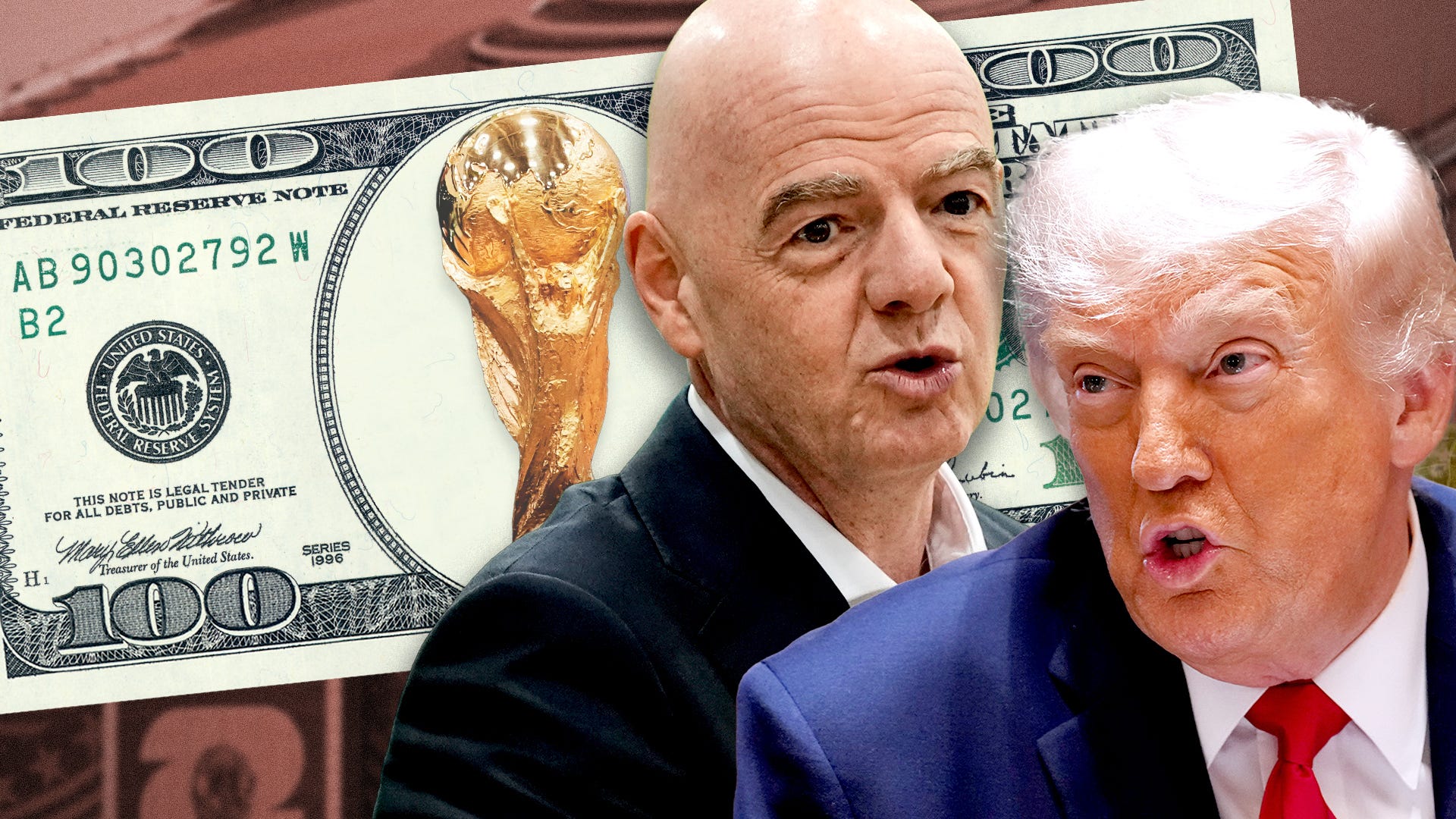
It is arguably the biggest sporting event there is.
For any football fan, the buildup to a World Cup is usually accompanied by feverish excitement and anticipation.
This time, however, the feeling around the event does not quite seem to be living up to the billing.
A ‘unique’ World Cup?
It will certainly be unique.
The 2026 World Cup is set to take place across 16 cities in the USA, Canada and Mexico.
It is the first to feature 48 countries, an expansion from the previous 32. Yet the run-up to the biggest World Cup ever has come with no shortage of problems.
There’s the soaring ticket and transport costs, the safety concerns around extreme heat, plus the inescapable fact the US is at war with one of the countries competing, Iran.
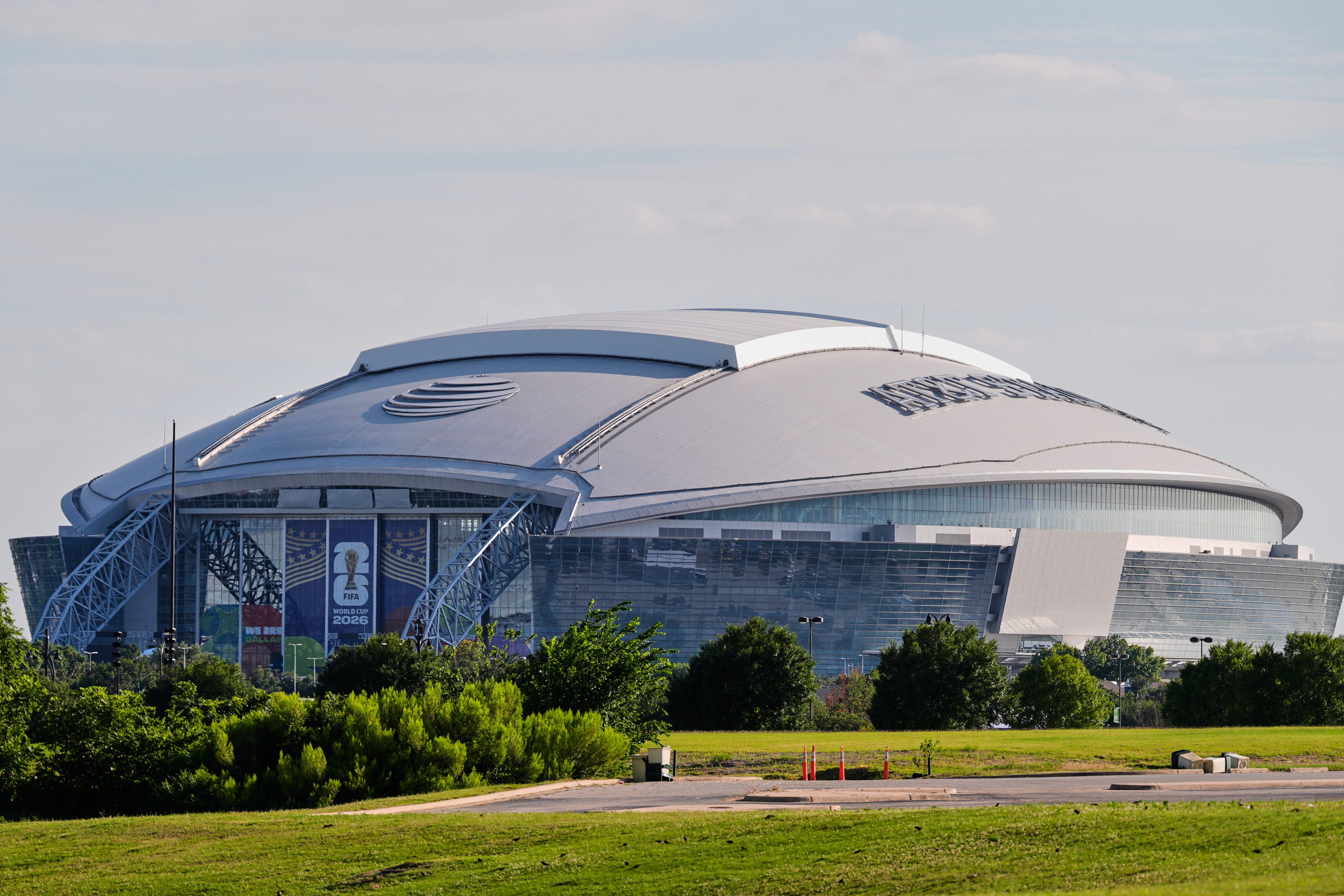
Staggering cost
This could be the most expensive World Cup ever.
Let’s take one of the host cities, New York City, as an example. Two nights of hotel accommodation and a ticket to just one game comes to around $2,000. And that’s without factoring in travel costs.
None of the games are actually in the city itself, they are in New Jersey. Train and bus tickets to get there have increased to $98. That is more than seven times the normal prices of $12.90.
Those staggering match ticket prices have prompted the US states of New York and New Jersey to launch a probe into whether FIFA has exploited fans with “impossibly high” World Cup prices.
“FIFA has turned buying a ticket to the World Cup into a gauntlet of confusion, fake scarcity, and impossibly high prices,” said Jennifer Davenport, Attorney General for New Jersey, which will host the final on July 19.
“We are committed to conducting a thorough investigation of FIFA’s conduct,” she said.
FIFA’s President, Gianni Infantino, has defended the World Cup ticket pricing, saying it was reflective of the market rates.
He had previously said that Fifa had 500 million ticket requests for the 2026 tournament, while the previous two World Cups had only 50 million requests combined.
Climate and heat warnings
Scientists, who have signed an open letter to FIFA, have warned that 14 of the 16 World Cup stadiums could exceed potentially dangerous levels.
In parts of northern Mexico and southern US, temperatures are likely to soar beyond 30C.
FIFA has introduced mandatory three-minute cooling breaks in each half of every match in the tournament. Although, scientists have called for that to be doubled to at least six minutes.

Despite conditions varying significantly across the host cities spanning the breadth of North America, the cooling break will remain the same regardless of venue.
The final will be played at the MetLife stadium in New Jersey. The same venue that was used for the Club World Cup Final in 2025, won by Chelsea.
For an episode of Channel 4 News’ the breakdown, I spoke to The Athletic’s Adam Crafton, who was at that game and remembers it being very hot.
He said: “It’s always a few degrees warmer at pitch level as well. So it gets even hotter at that level. They’ve spent a huge amount of money on things like turf management to try and avoid issues with the pitch in relation to weather variances.”
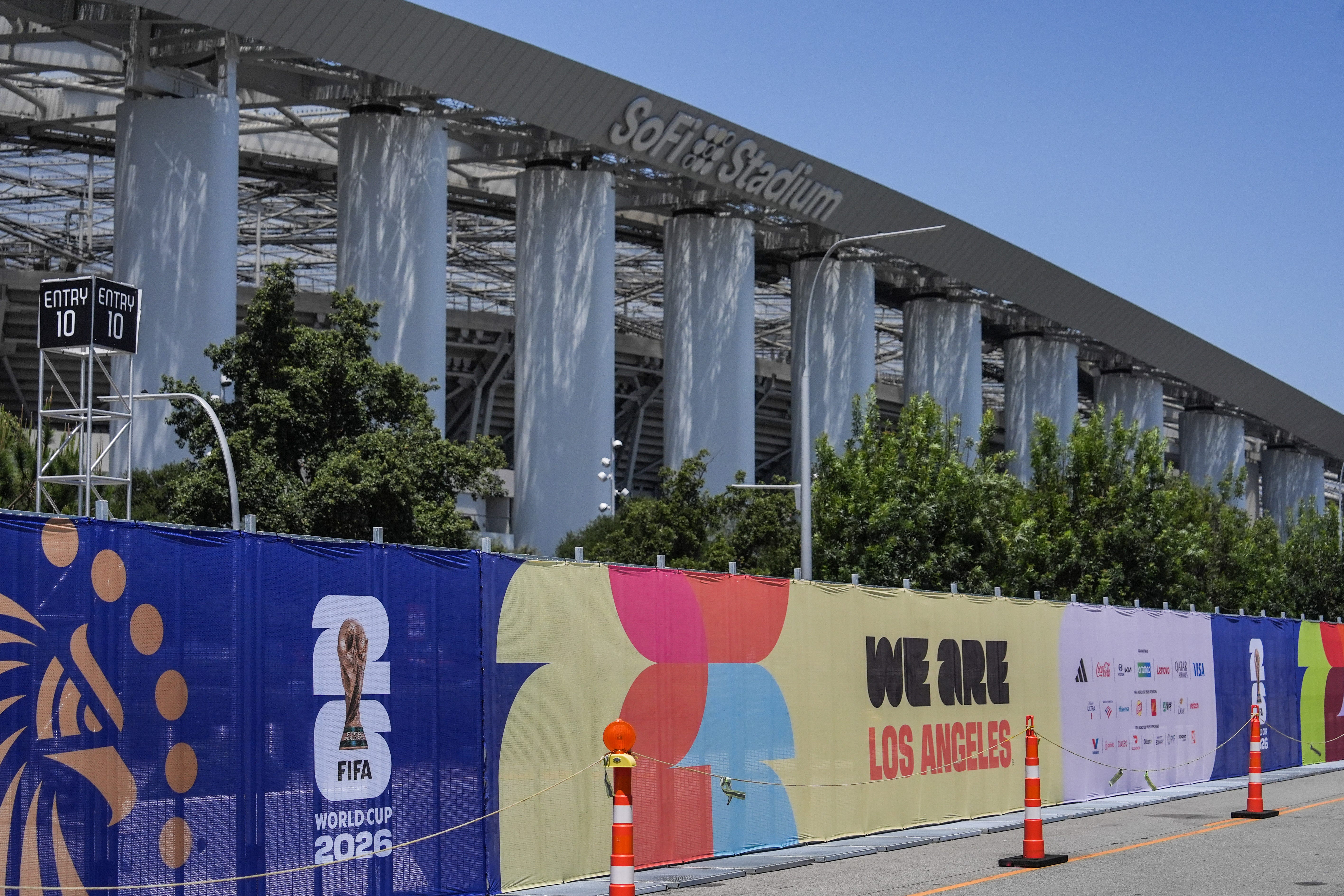
Crafton said he thinks the cooling breaks will effectively turn the game into quarters, rather than halves.
“It will also allow broadcasters, so I presume ITV in the UK would have the option of putting commercials into those drinks breaks,” he said.
“I’m certain that those will be used by the broadcasters in the United States.”
The heat could also help determine the outcome of the tournament. Of the eight times the FIFA World Cup has been held in the Americas, a European team has only won the competition once. Germany bucked the trend with victory in Brazil in 2014.
Fifa statement
Fifa said it was “committed to protecting” the health and safety of players, referees, fans, volunteers and staff, and that climate-related risks were assessed “as part of overall tournament planning” and managed in “close coordination” with host cities, stadium authorities and national agencies.
The organisation added that it was “aware of and monitoring the situation” regarding the recent Ebola outbreak and that it was in close communication with the Congo DR Football Association to ensure the team was “made aware of all medical and security guidance”
It said it was working with host countries’ governments and the World Health Organization to ensure a “safe and secure tournament”.
A political World Cup?
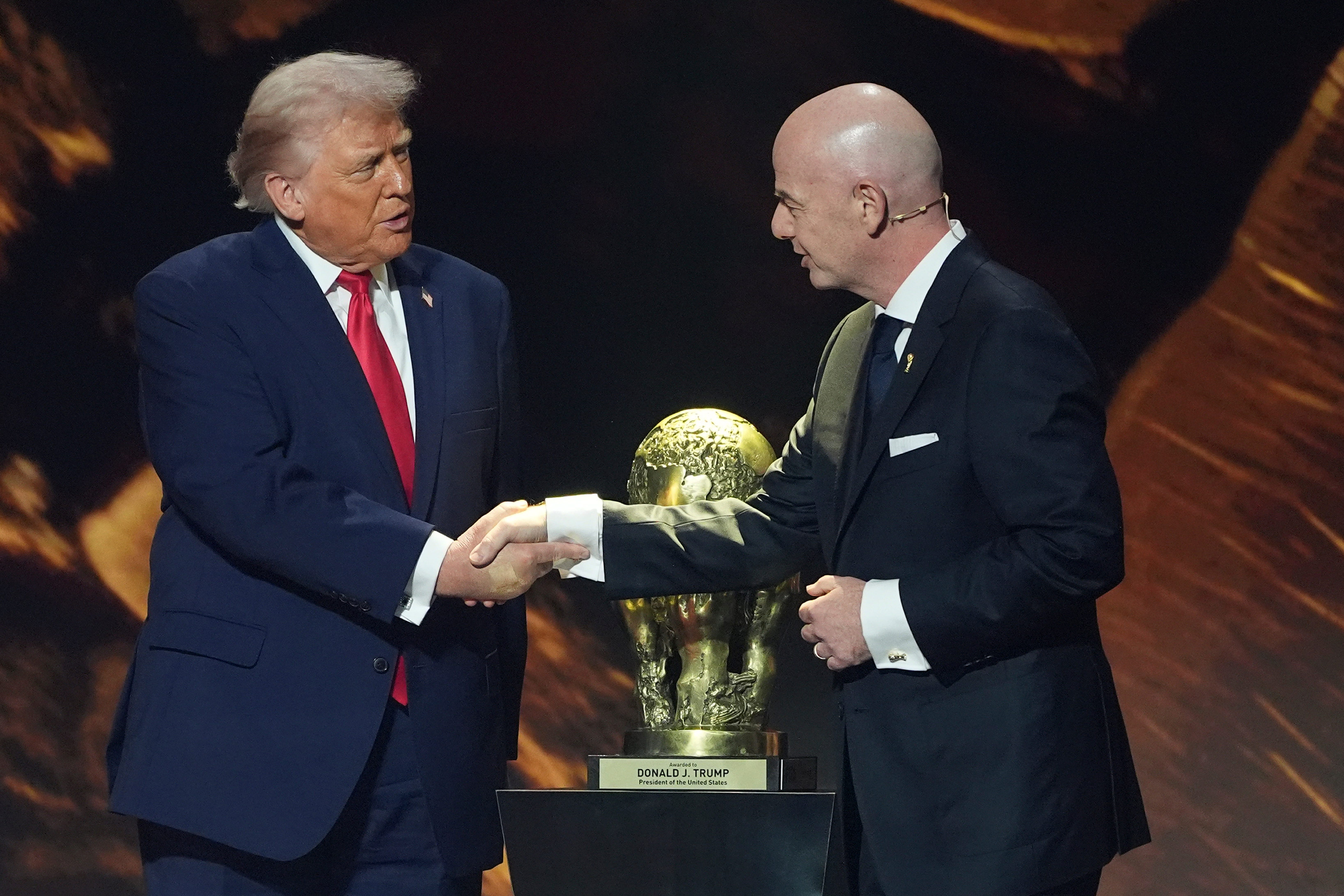
There’s no getting away from the politics, either. US President Donald Trump, pictured below with FIFA’s Infantino, has already anointed it “the most successful World Cup”.
One of the participating countries, Iran, will be in the US while the two countries are at war with each other.
The team is only allowed to stay in Mexico and Iranian fans, who chanted “death to America” at the team’s farewell parade, are banned from attending.
There are further concerns about Immigration and Customs Enforcement Agents, border checks and visas.
It is not the first World Cup to be shrouded in controversy. Just look at the past two competitions, held in Qatar and Russia in 2022 and 2018 respectively.
At Qatar, concerns about human rights violations overshadowed the buildup to the tournament.
Yet, for many fans, once the action started those concerns took a back seat to the football.
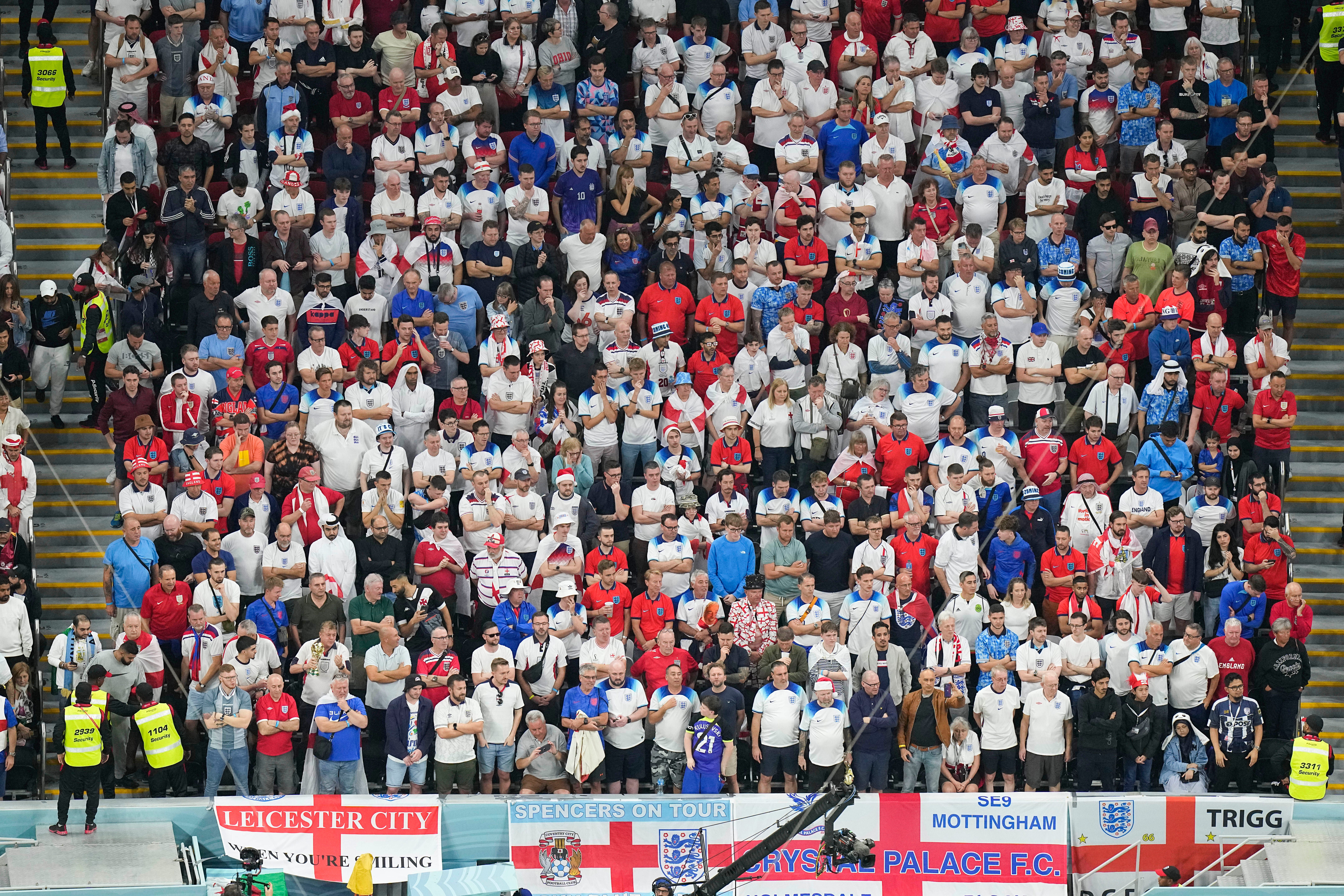
“Once the football started, all those highly legitimate questions about the treatment of workers and the treatment of women in Qatar and all of those questions kind of slowly but surely, not all of them, but many of them dissipated,” Crafton said.
“I remember being there a few weeks in and people started writing stories about how fantastic Qatar was and how it was the safest World Cup ever and how in future World Cups we shouldn’t have alcohol at all.”
So, when the first whistle blows across the Atlantic, will attention quickly turn to the football, or are there simply too many challenges to ignore?
The world is about to find out.
Why World Cup 2026 could be doomed from the start
 | A guest post by
|