


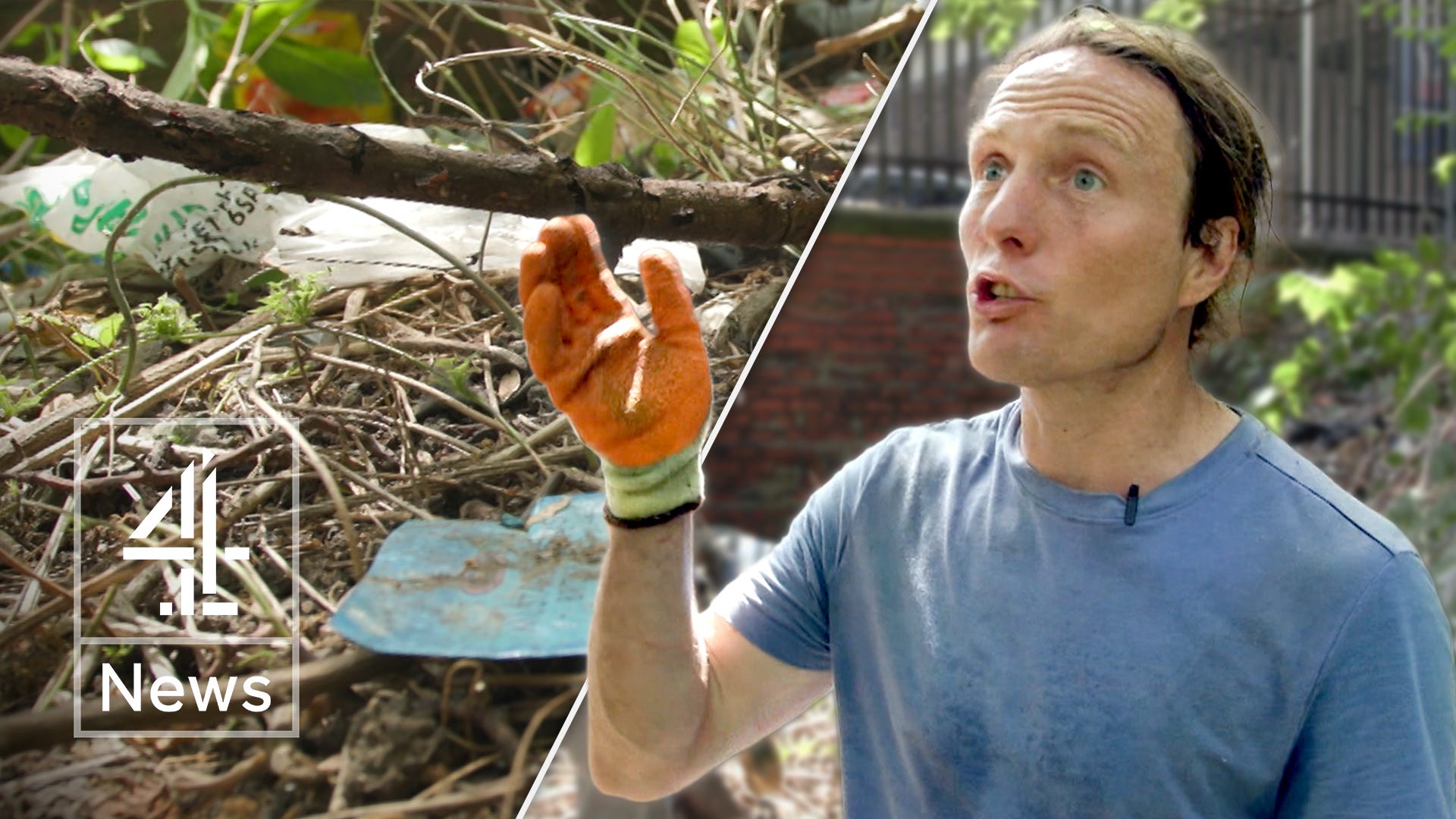
“This is what happens when nothing happens,“ said a volunteer in her 20s, dripping with sweat on a Saturday morning as she worked away, clearing years of accumulated rubbish from an unloved corner of the British capital, close to the North Circular Road in Ilford.
This is a small story about a big story. Just what indeed happens when nothing happens. When people feel so let down by public and private landowners; officialdom and authorities; the operation of the state.
What happens is eventually they rise up and rebel against the law, regulation and red tape.
‘Rebellion in action’
We’ve come to East London to see rebellion in action. Led - and there is no other verb for it - by Paul Powlesland, pictured below, and his band of guerilla litterpickers, trying to save London’s third longest river, the Roding.
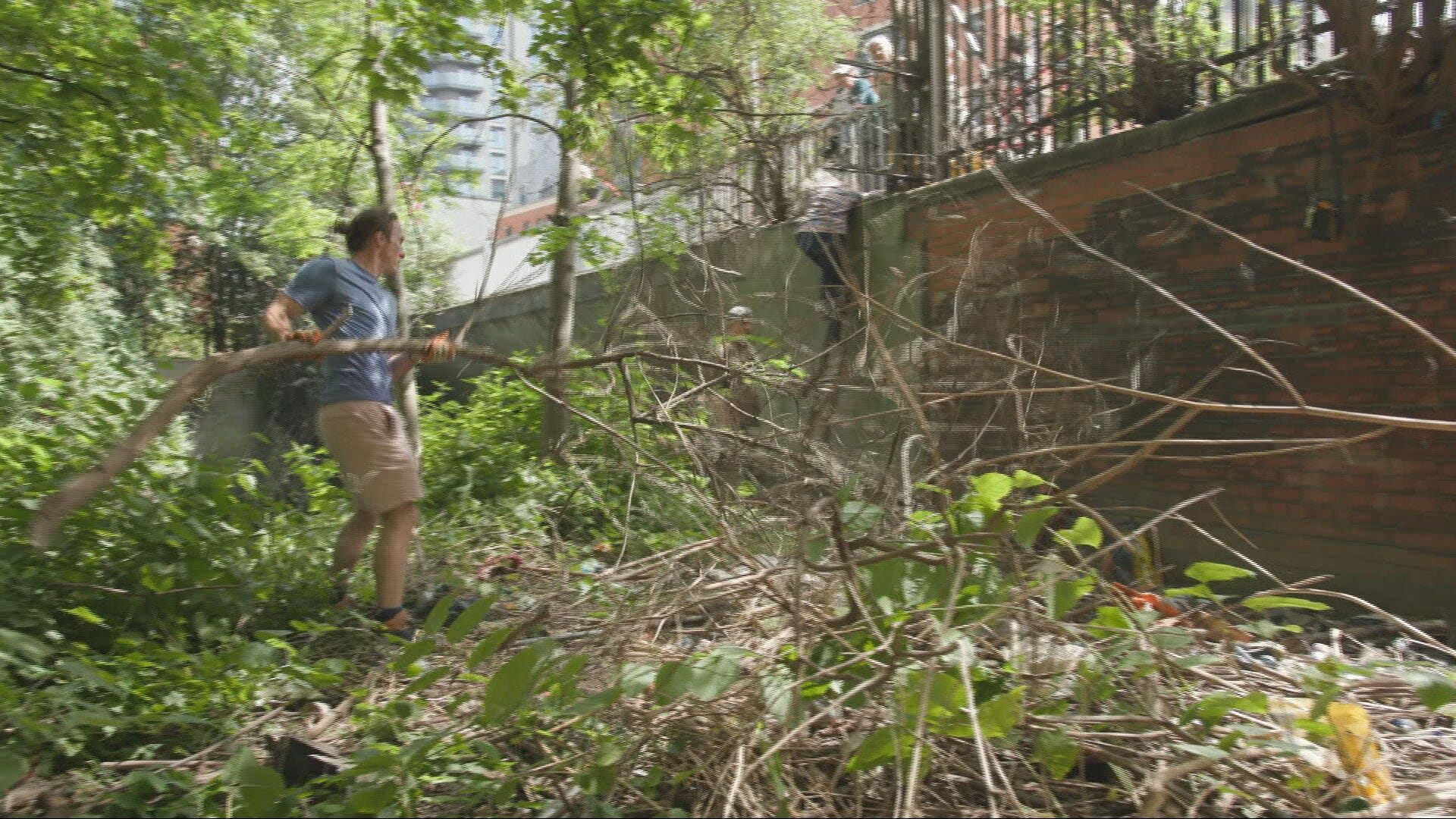
We find him slashing away like a man possessed, at invasive Himalayan Balsam, which is choking the banks of the River Roding, as a dozen or so of his volunteers attack a mound of accumulated litter nearby, like you’ve never seen before.

He turns to the camera, also dripping sweat in the heat of early summer, panting with the effort and holding the large woodsaw that he uses to clear the weeds.
“The only way I’ll stop doing this is if they kill me or I die or they put me in prison,“ he says. Some statement from Mr Powlesland, who is a barrister by trade.
Just to get to this site means scaling a 10-foot metal fence topped with razor wire. But trespassing comes as standard.
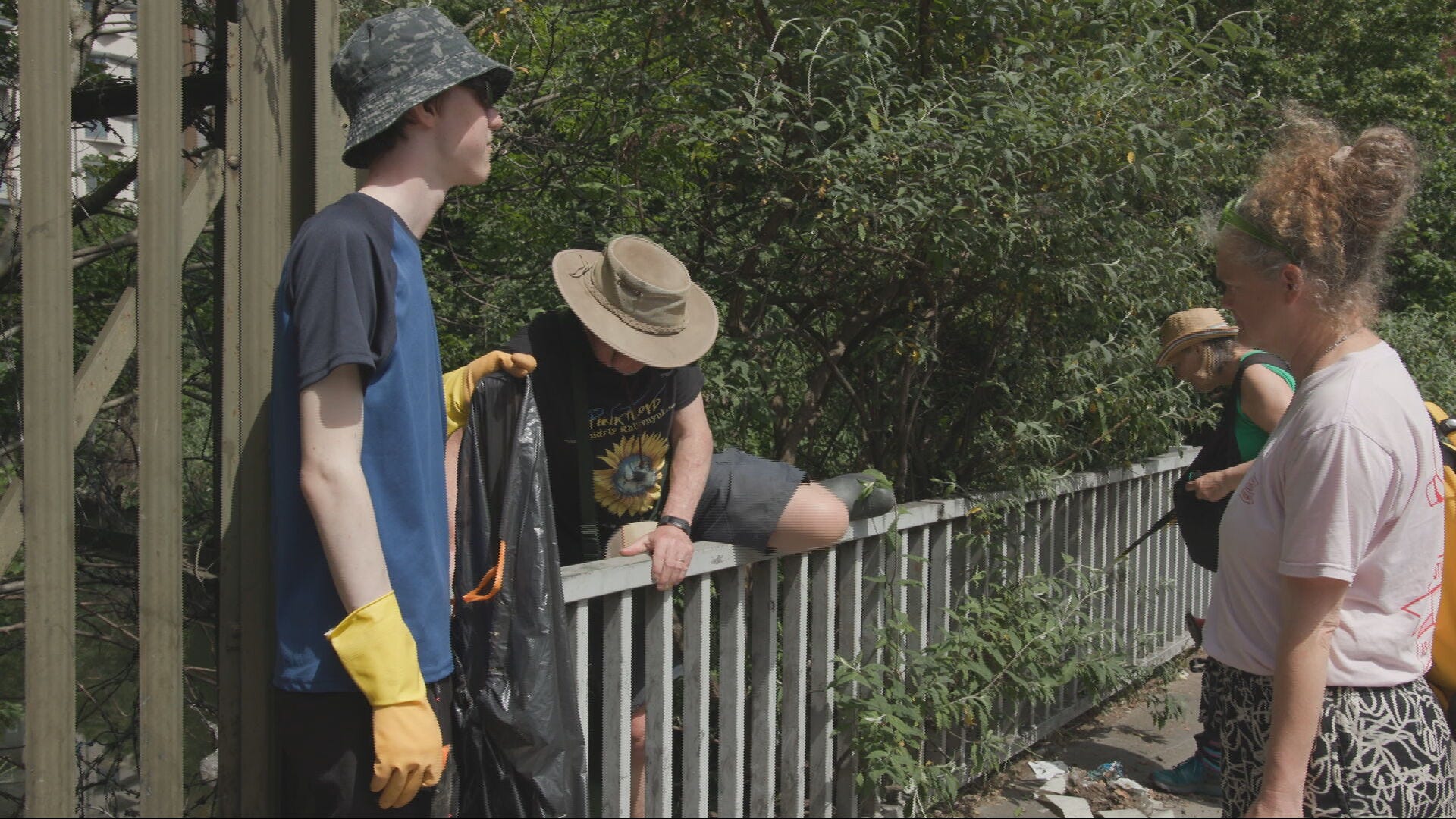
They say all they want is for various public and private authorities to work with them, to help them, to support them doing work they can do with breathtaking efficiency.
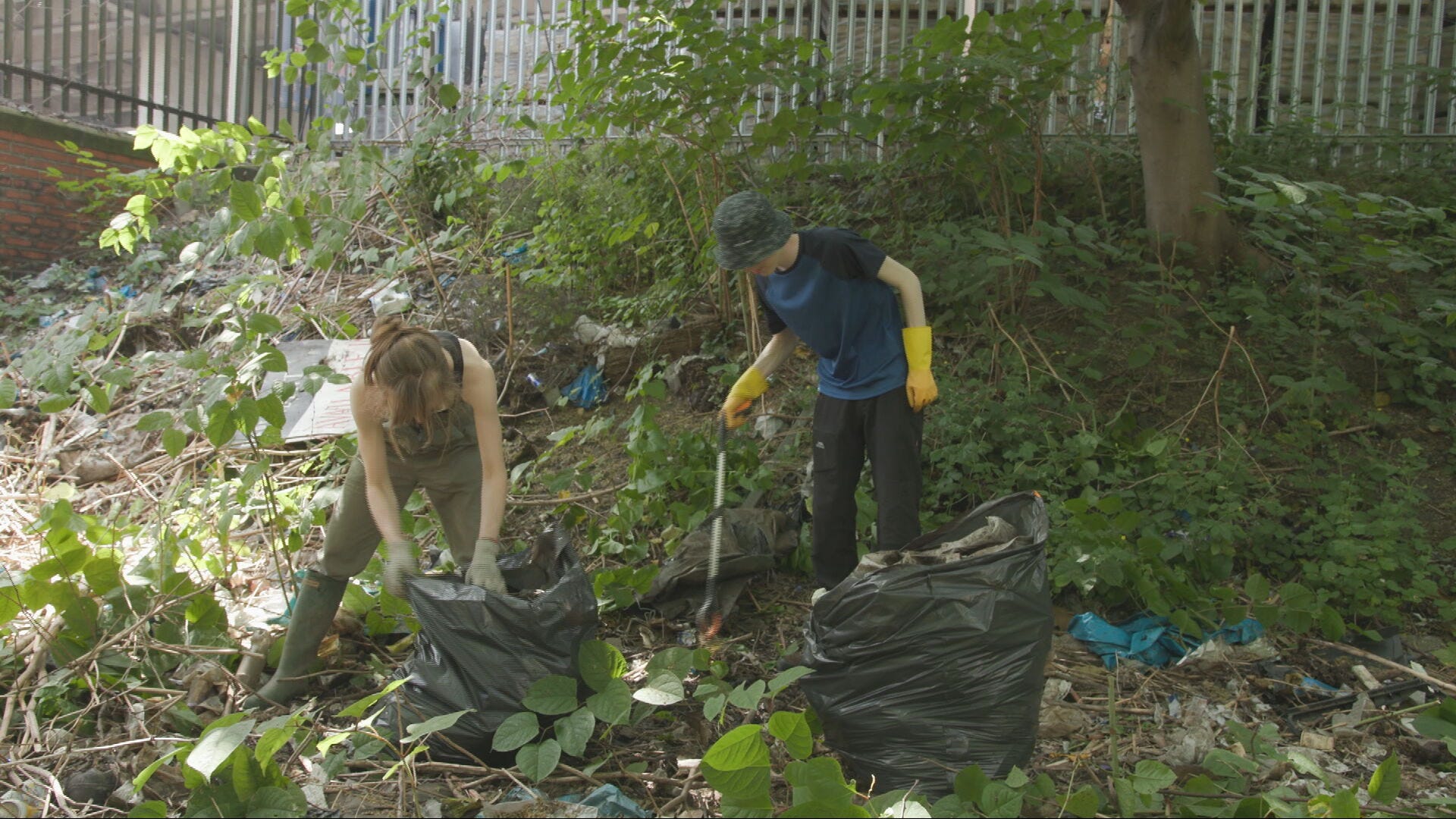
The patch of land we saw upon arrival fills you with despair. You wonder how anybody without a mechanical digger could possibly return the riverbank to anything like its natural state.
And yet in scarcely more than an hour the job was done, binliner after binliner hauled back over the fence and stacked neatly on the pavement for collection by the council.
Restoring nature
The volunteers are mostly local people, though at least one had crossed London to be here. All of them pushed to ignore laws, regulations, and all the general red tape which allows litter to simply stay put, across our islands.
Agency after agency and organisation after organisation has been charged with dealing with problems like litter and a raft of other antisocial low-level crime, yet they are perceived by some as failing to do so, rightly or wrongly.
We saw first-hand how that perception matters and is becoming more ingrained in people across the land. The sense that things are breaking not because of evil or conspiracy, but because they believe our authorities are so obsessed with process, they cannot deal with outcomes.
Take these people. Over the winter Paul Powlesland went nuclear. He phoned a friend. He brought a digger onto an area of land where a tributary flows into the Roding. Or it did. In fact it was little more than a silted up litter filled hellhole.
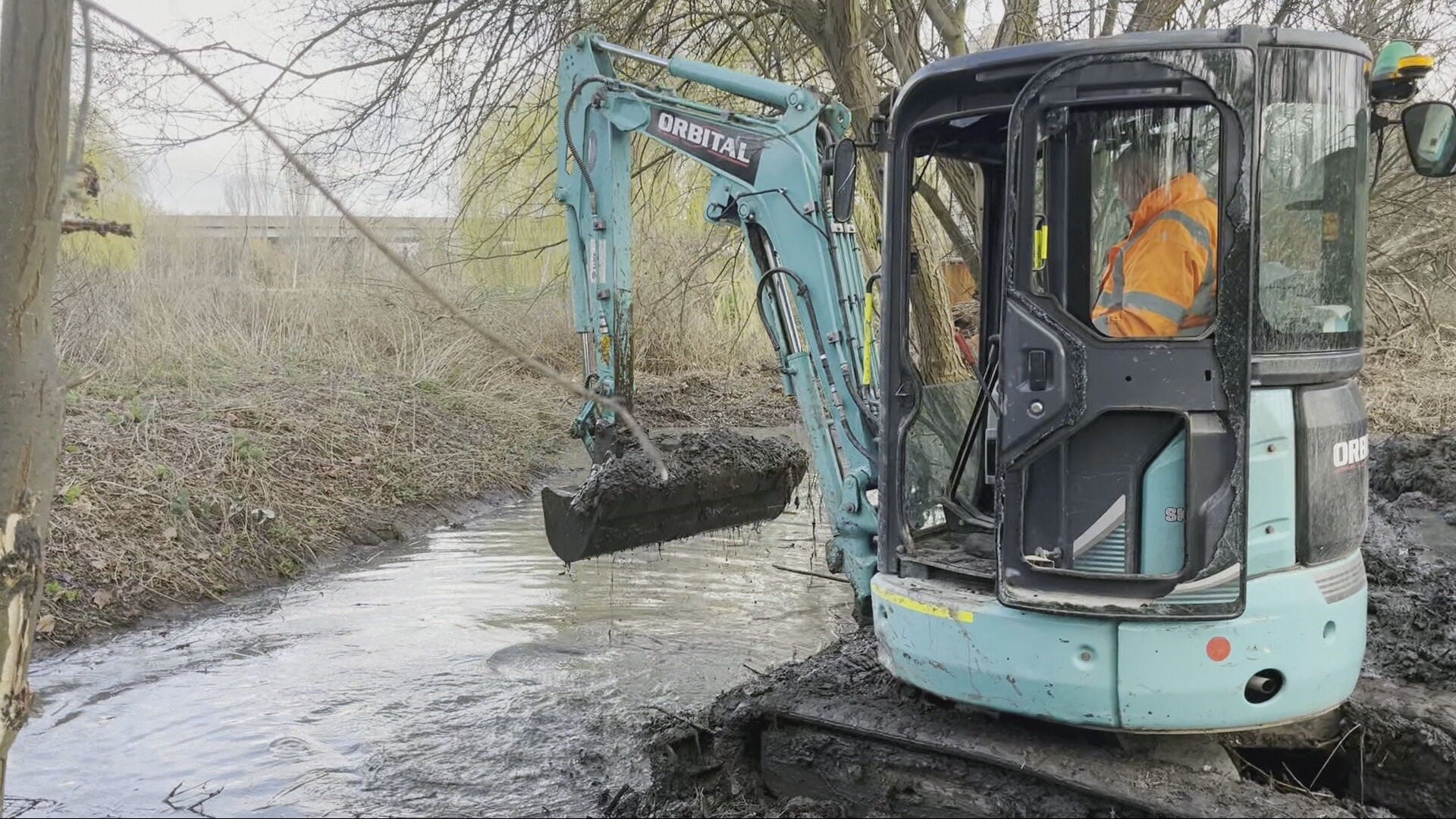
Yet by the time Mr Powlesland and mate had finished, they had restored several hundred metres of a stream, back to what a stream should be.
When we visited there were shoals of small fish, flag iris, bullrushes, dragonflies and plenty of enthusiastic comments from passers-by.
Threatened with prosecution
Mr Powlesland said the Environment Agency sent him a letter threatening him with prosecution for not having the requisite licence.
In a statement, the organisation told us:
“We welcome communities taking steps to improve their local environment, but carrying out works without the required permits is not acceptable.”
For Mr Powlesland and his team, it just adds to their frustration with officialdom and red tape and “what happens when nothing happens”, when all they want to do is save their local river.
