

Why a blocked weather pattern has caused relentless rain in the UK
The UK has experienced relentless wet weather so far this year due to a blocked weather pattern over northeast Europe. Weather Presenter Liam Dutton examines how long the rain deluge could last.

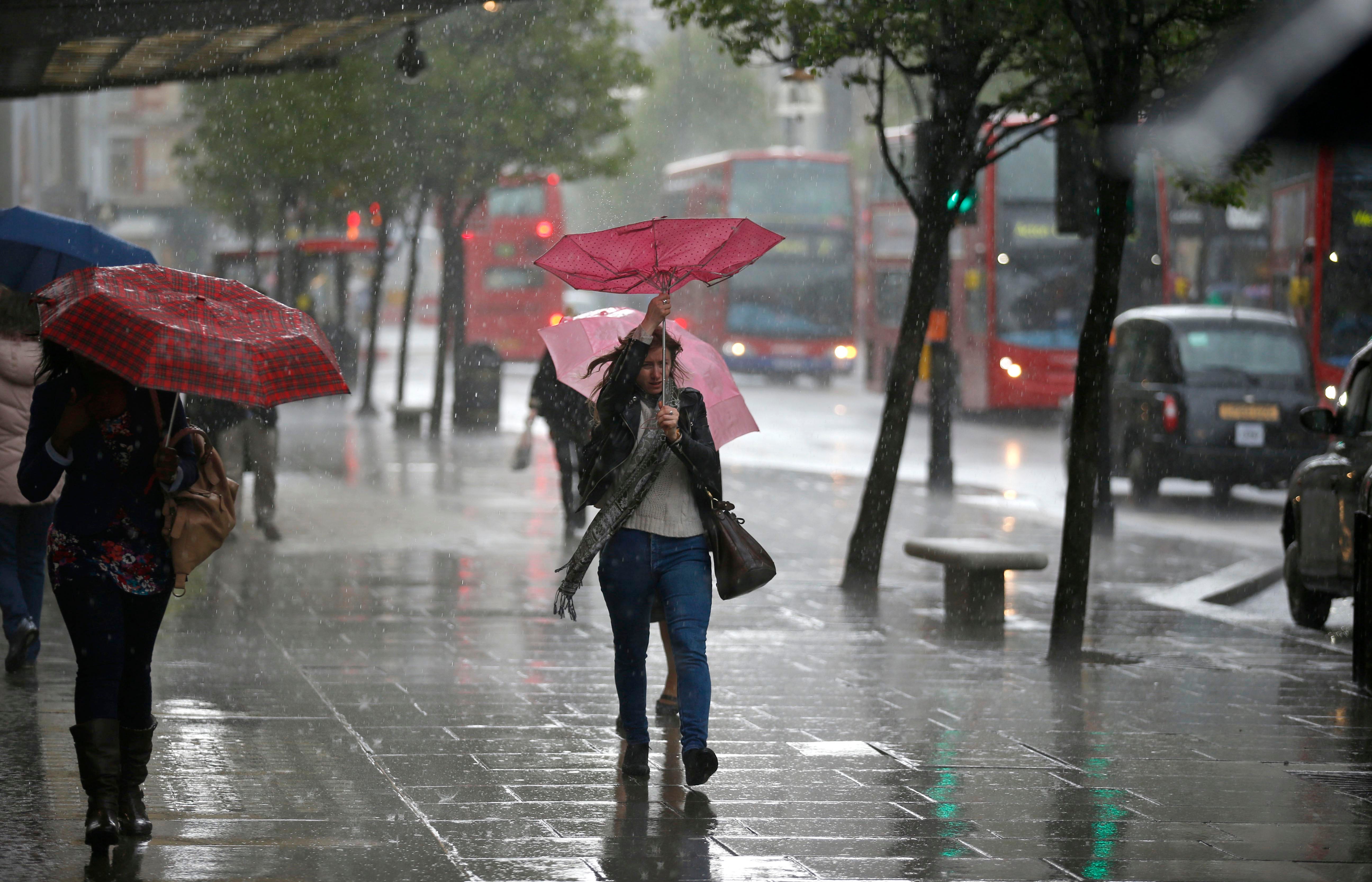
We’re only six weeks into the year and already the weather has got everyone talking about how miserable it has been. Why? The rain. It has been relentless.
January was 17 per cent wetter than average for the whole UK, with Northern Ireland and southern England having their second and sixth wettest January on record, respectively. On a county level, Cornwall and County Down had their wettest January on record.
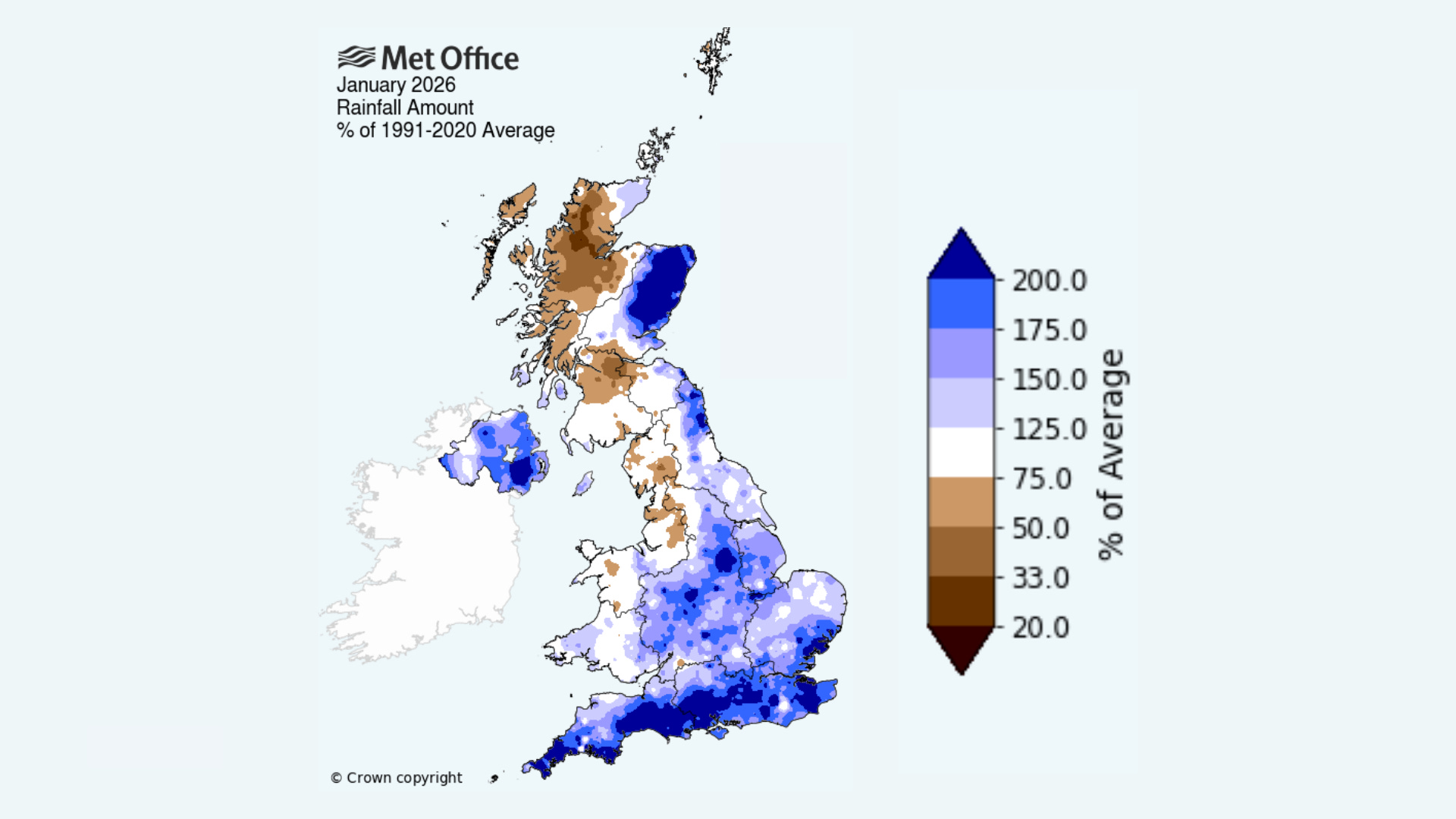
North Wyke (Devon), Cardinham (Cornwall) and Astwood Bank (Worcestershire) have recorded rain every day so far this year - that’s 40 consecutive wet days!
When it comes to a lack of sunshine, spare a thought for Aberdeen, which hasn’t seen any sunshine at all for the past 20 days. Not a glimpse.
Three named storms have hit the UK so far this year - Goretti, Ingrid and Chandra. Each brought more wet weather, leading to the ground becoming saturated. So, we’re now at a point where even modest amounts of rain can cause flooding issues.
Widespread disruption
The UK hasn’t been alone in experiencing a very wet start to 2026. Morocco and Portugal, along with southern and western parts of Spain, have also been affected. Storm after storm has rolled in across the region, bringing heavy rain and strong winds.
January was very wet, with some areas seeing more than double their average rainfall, and the wet weather has continued into the start of February, leaving the ground sodden.
Storm Leonardo, which hit last week, was particularly impactful, leaving a trail of severe flooding, landslides and widespread disruption.
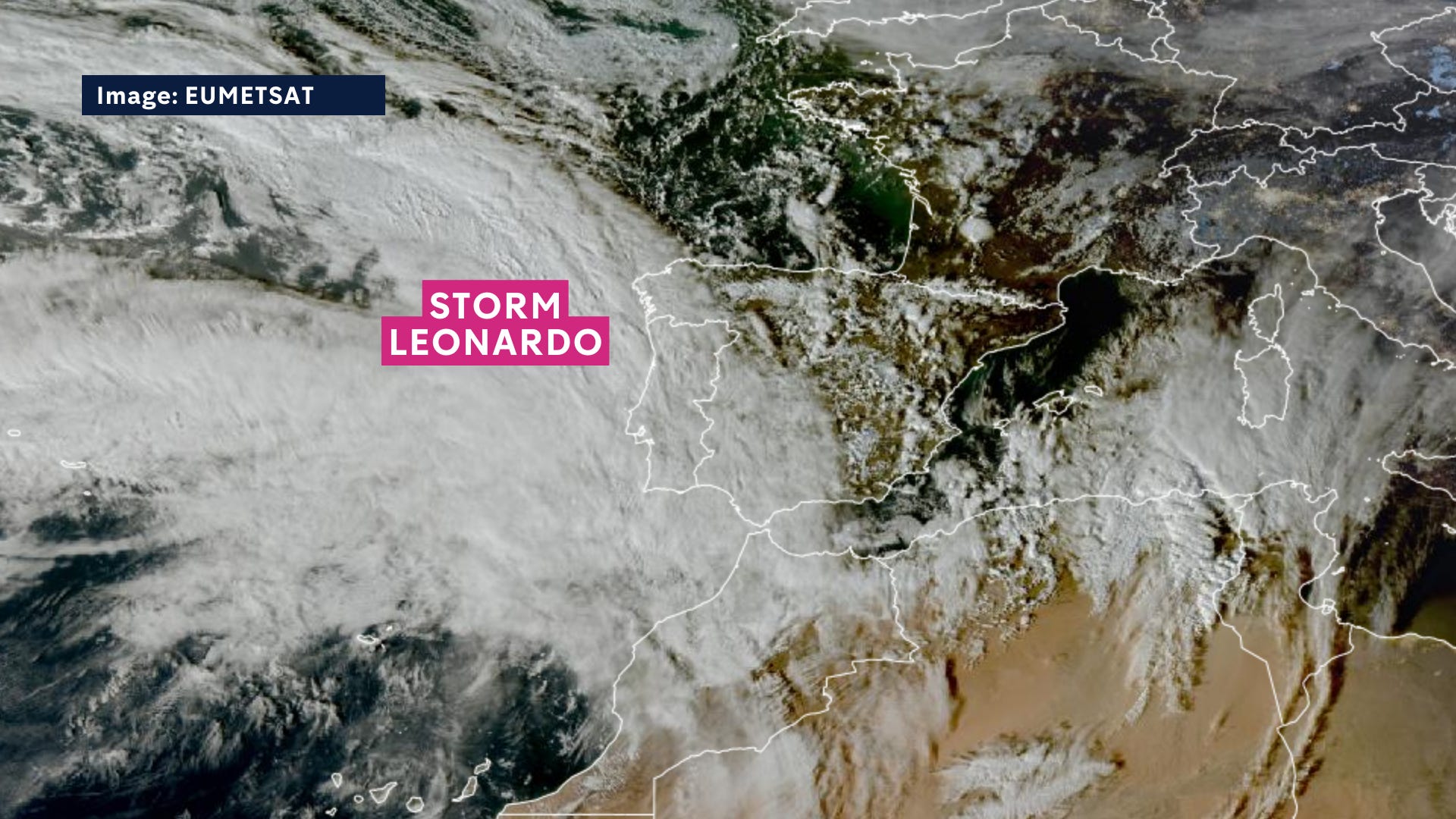
During the storm, Grazalema in the mountains of Andalusia, Spain, recorded a staggering 672mm (26.4 inches) of rain in 36 hours. That is more than London’s average rainfall for an entire year.
Why has it been so wet?
There are two main reasons for the relentless wet weather: a blocking area of high pressure over northeast Europe and a powerful jet stream over the Atlantic Ocean sitting further south than usual.
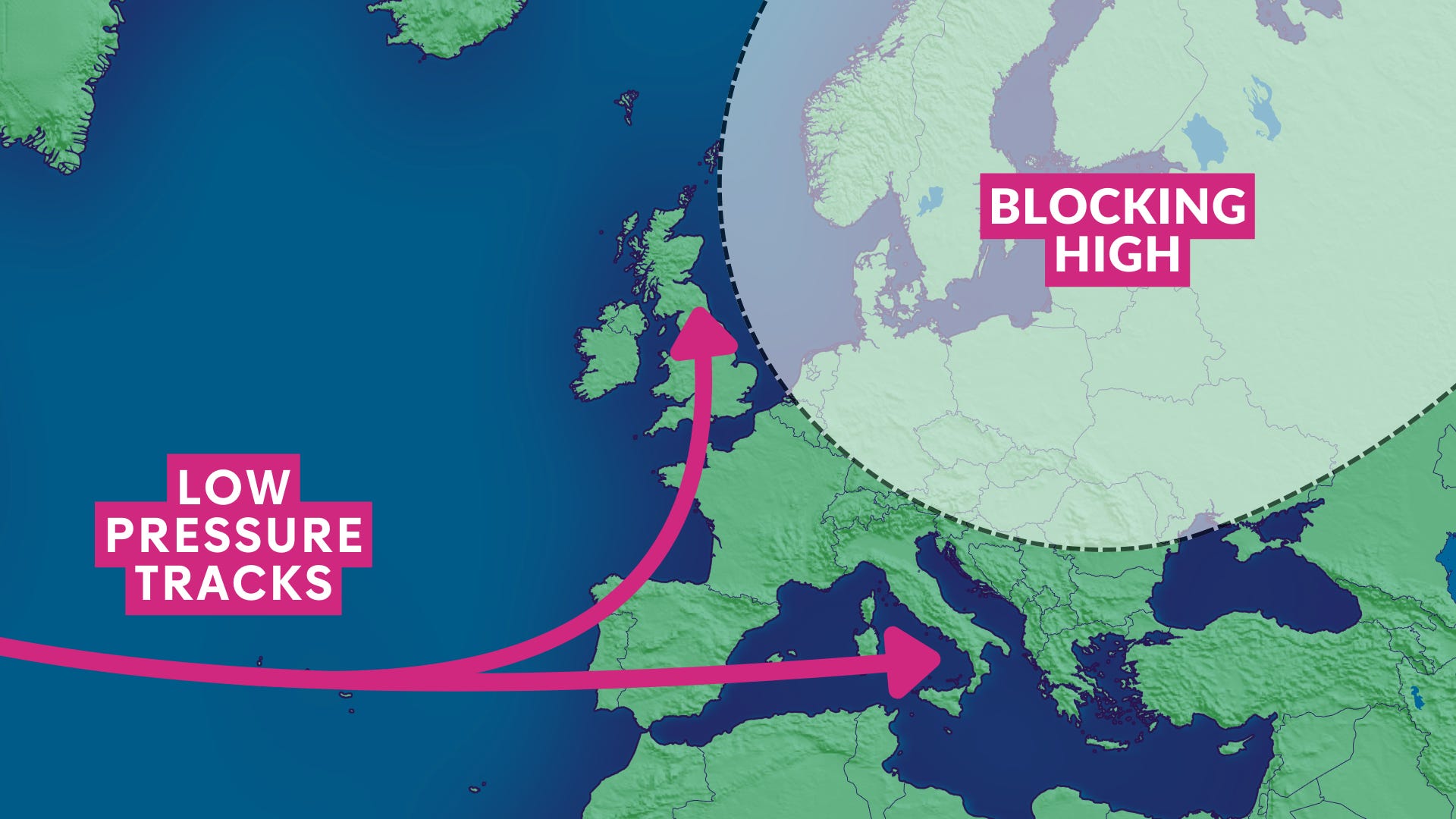
The blocking area of high pressure over northeast Europe has been stopping areas of low pressure from taking their usual path to the northwest of the UK and into Scandinavia. Instead, they have been diverted around it, delivering perpetual rain to the UK, Iberia and Morocco.
The jet stream has been powerful due to intensely cold air clashing with warm air off the east coast of North America. This has led to strong and frequent areas of low pressure being developed and catapulted towards western Europe.
Rise in global temperature
While the main driver for this very wet spell is the weather pattern mentioned above, climate change will have also increased the amount of rainfall.
A warmer atmosphere can hold more water – 7 per cent more for each 1C rise in global temperature.

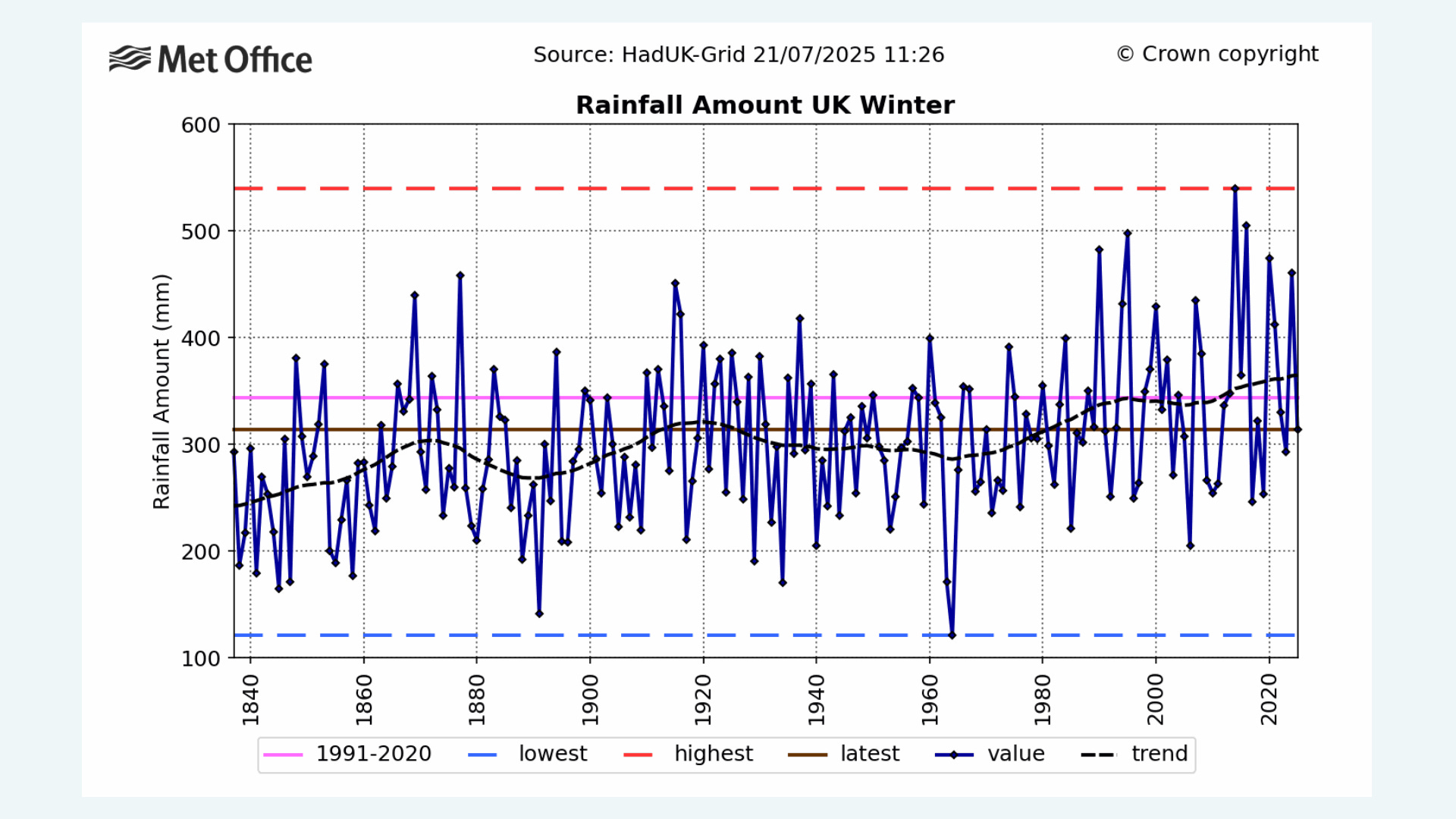
This has already caused an increase in the UK’s rainfall during the winter-half of the year, which is October to March. Rainfall for the most recent decade, 2015–2024, has been 6% wetter than 1991–2020 and 16% wetter than 1961–1990. The wetter trend will continue as the climate warms further.
When will it stop raining?
Unfortunately, there aren’t any prolonged dry spells on the horizon, although there will be some drier and brighter days here and there – even for the sunless Aberdeen.
However, there are signs that the position of the jet stream may change from the middle of the month. It looks like it will start to move northwards – closer to where it would typically be during winter.
This would change the focus of the rainfall to northern and western areas and offer some respite to southern and eastern parts of the UK which have been wettest during the past month.
Whilst the rainfall has been causing problems, it is much needed. After a prolonged dry spell last year, various parts of the UK have been in drought.
A wet autumn followed by this winter’s deluge means that water resources are in recovery, putting us in a much better position ahead of spring and summer.
 | A guest post by
|
...and come the summer the complaints will be why didn't the UK build a new reservoir or two?
Can you get blocking lows as well? This wet weather seems like a blocking low to me! It seems odd that weather presenters never talk about blocking lows, always blocking highs?
I also think that climate change won’t necessarily bring just wetter winters, but also wetter summers, but also drier winters and drier summers, ie, more extremes. Some years bone dry, other years soggy and flooded. No more middle ground with weather in our warming climate, it’ll either be too dry or too wet, or too stormy. And I don’t trust that we’ll be able to cope or prepare for it.