

How white working-class children are being failed
A new eye-opening report paints a picture of white, working-class young people disengaged from education with high rates of school absence, writes Jackie Long.

The fortune - or failing - of white, working-class children is one of the “most pressing questions in contemporary public policy”, according to a new independent report.
What that pressing public policy question looks like on the ground is sometimes hard to get across.
For the children and families “living it”, the reality is one of limited hope and opportunity. Bleak outcomes which are long predicted but seemingly impossible to prevent.
You’re reading InDepth: A weekly long read from Channel 4 News offering quality analysis and insight, diving deeper beyond the headlines

‘No point’ to school
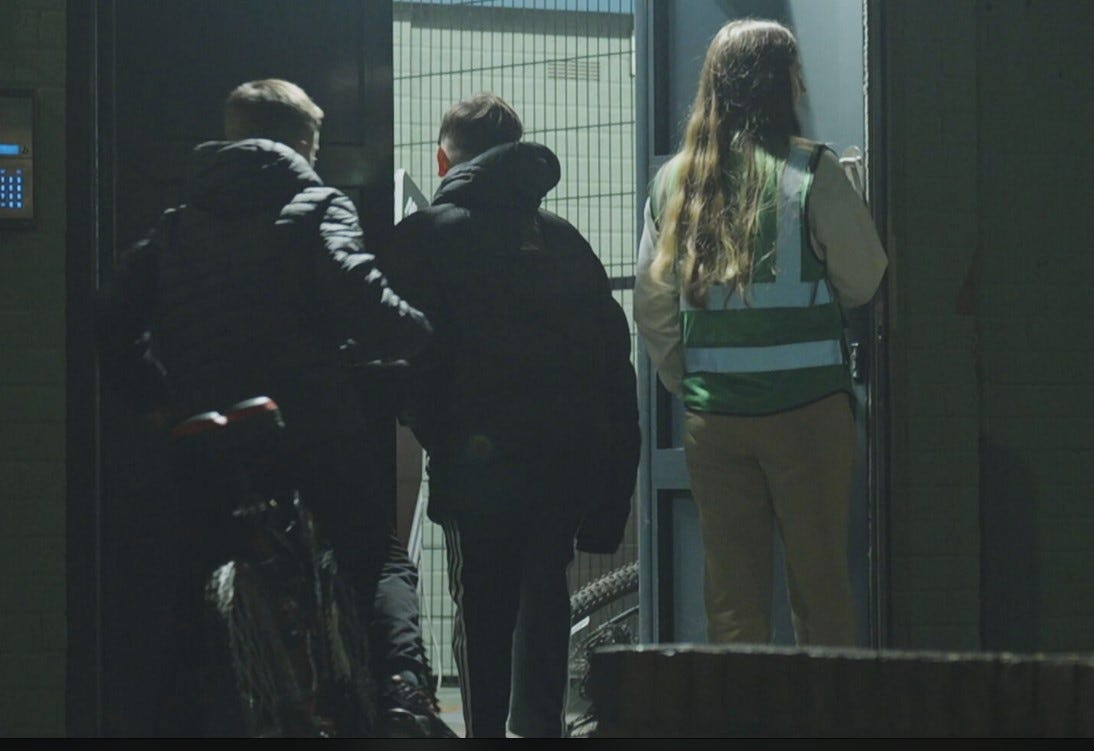
In Grimsby, we recently met children with a visceral hatred of school. They saw “no point” to it, nor could they easily envisage a future for themselves.
We met carers who were confused and resentful about how things were. The loss of the fishing industry had left many scarred.They aspired for their children but perhaps not in the way we often measure aspiration - moving away, university, a big job in a new city.

Yes, they wanted them to be “successful”. But there was also a focus on “happiness” - and for many that meant being able to stay close, in a practical, manual job, within the place they’d grown up.
There is a harsh reality, of course. Fishing won’t return at scale to Grimsby, nor the mines to Mansfield. So how does the government make sure we are not laying waste to hundreds of thousands of children and young people who, according to the Independent Inquiry into White Working Class Educational Outcomes, are simply being utterly failed by education?
Report findings
In 2025, just 36 per cent of white British pupils on free school meals achieved a grade 4 or above in English and maths GCSE, compared with 72 per cent of non-free school meal pupils. They have consistently achieved the lowest school results across all ethnic groups in England.
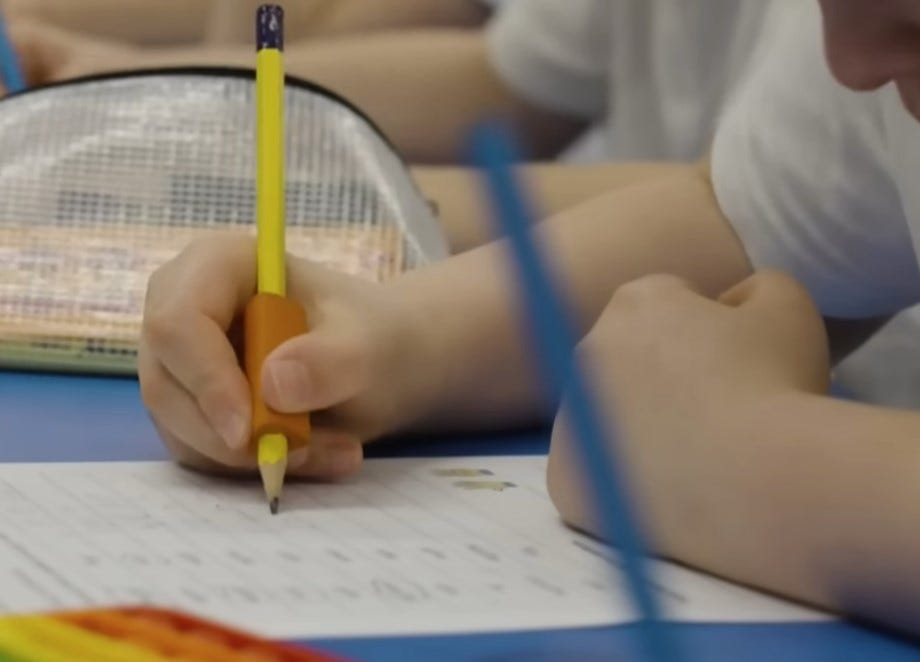
The report paints a picture of children disengaged from education, with parents and families not much better. High rates of absence by pupils, and much lower engagement with the school by parents than with other ethnic minority groups.
An entrenched distrust
The authors insist this is not about a lack of ambition or aspiration but an entrenched distrust of an education system that they feel is completely disconnected from what they need.
It describes how working-class children, families and communities had spoken powerfully about “pride, humour, belonging and identity and the importance of place and community within their lives”.
It adds: “The task … is to not diminish these communities but to build an education system that better recognises, values and builds upon the strengths already within them.”
So, the argument, simply put, is that the education system needs to meet these families and their children where they are. Provide a system that makes sense to them.
Critics will undoubtedly say that it is for these families to fit into the system. That is to misunderstand the huge chasm between what school offers some children, but fails to offer others.
More action needed, report says
Huge strides have been made in recent years within the system to help make sure more working-class children get to top universities like Oxford and Cambridge. It’s a measure of success easily understood across media - and there is no question about the Herculean efforts children from poorer backgrounds make to get there.

But for those young people who want to find a different way in life, the report says so much more needs to be done to help them achieve a decent education that is meaningful for them and delivers.
There are few quick fixes and it goes way beyond the school gates.
It says the government must provide better early years support. White, working-class children often start school behind their peers and fall further behind.
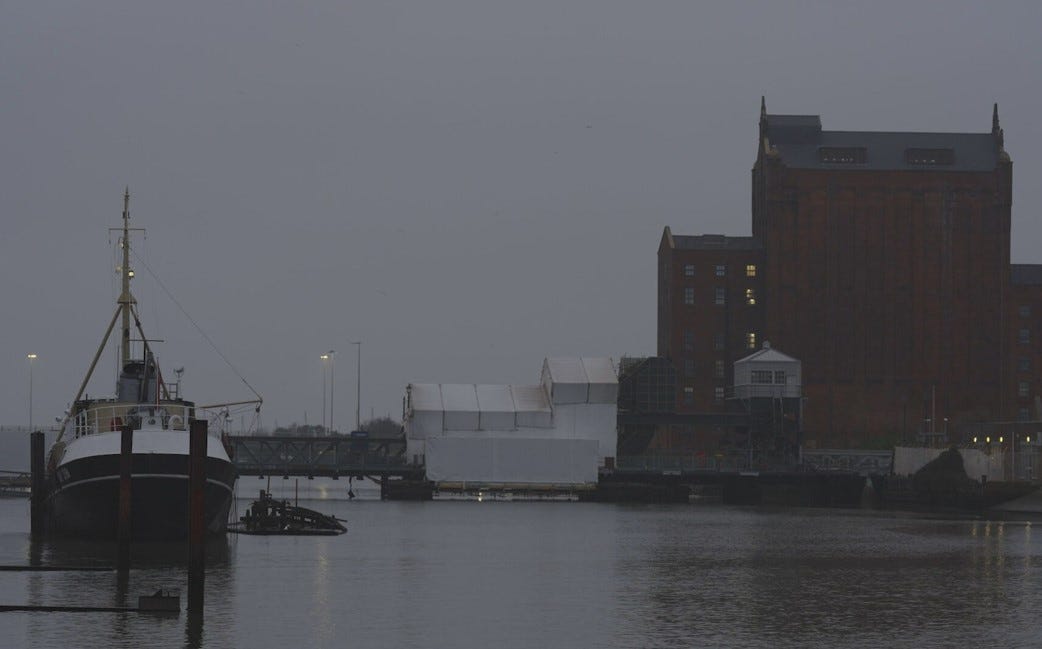
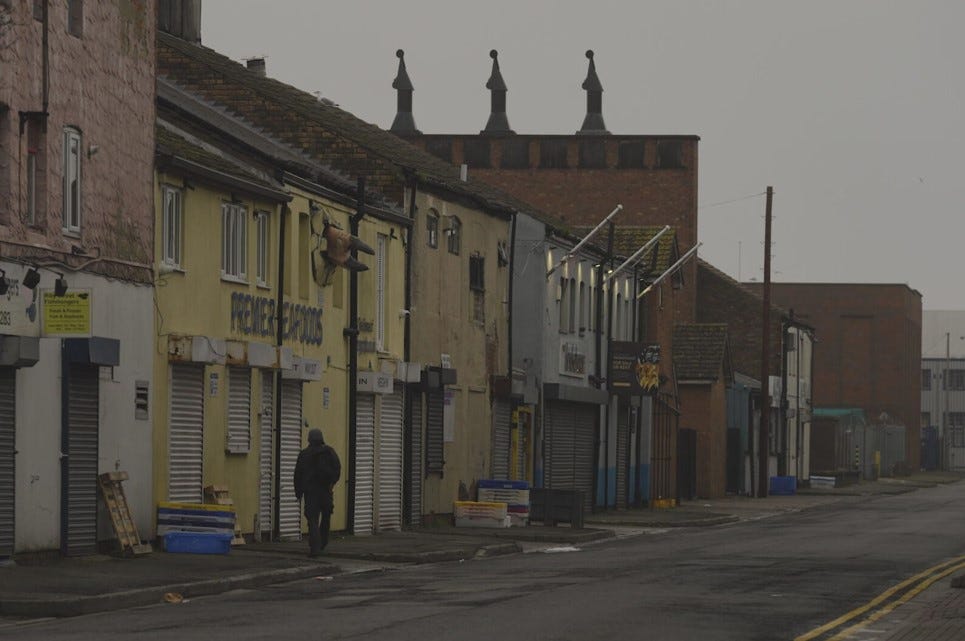
Geographic isolation, deprivation in coastal or deindustrialised communities - all this has to be tackled.
There is no doubt this is practical but it is intensely political too. The failure of children and young people has long-lasting consequences for their communities but also for cohesion. Children failed in school become part of the fabric of “left behind communities”, in turn part of the wider political landscape.
Focus on ‘white’, working-class children
It is worth saying that the focus on “white”, working-class children is not uncontroversial. How much of this is about their “whiteness”, how much about their class, is still not entirely clear - and much more work needs to be done to examine that, a fact recognised in the report.
It remains true that Black Caribbean heritage boys on free school meals barely fare much better than their white peers and Roma children have persistently poor outcomes.
The disadvantage inherent in coming from poorer working-class families is fundamental to all of these children whatever their race. Understanding that is critical to their chances of success.
What's holding back the 'white-working class' in Grimsby?
 | A guest post by
|
I guess that the headline was meant to be provocative to get you to read the article, but in the end it seems that it is more about financial status than race, as stated in the final paragraph.
The education system is somewhat one dimensional and is not accessible to many. In particular we seem to value academic ability over practical skills which seems wrong to me. Maybe those who work with their hands will have the last laugh once A.I. Has taken all the white collar jobs
It's definitely a question of class in my opinion, and the policies of successive govts starting with Thatcher.
Middle class families are more likely to live in affluent areas, in larger homes with room to study, have disposable income for holidays, trips to art galleries, museums etc., and an expectation that their children will 'achieve ' educationally.
When you're struggling to pay the bills, maybe on a massive waiting list for a decent home and trying to hold it all together on low pay, children don't have the advantages outlined above.