


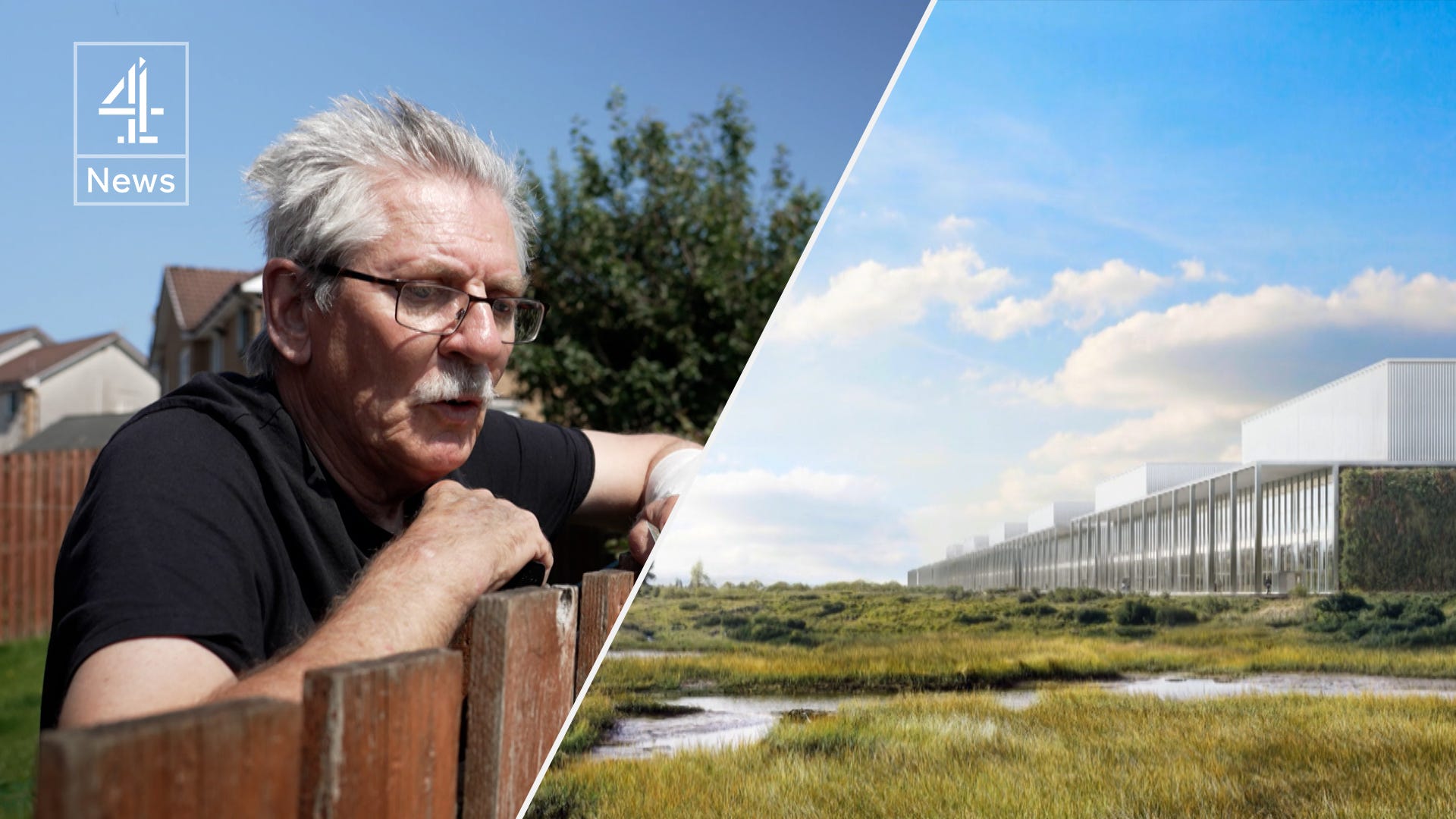
Behind every chatbot and image generator lie enormous data centres.
These sprawling sites contain vast banks of computer processors and, depending on their design, place huge demands on electricity and water.
The majority of them are currently found in the US, where there have been fierce grassroots protests and a bi-partisan political backlash.
But now the battles and the backlash have arrived in Scotland.
The new frontier?
The country offers an unusually attractive combination to data centre developers. There is abundant renewable energy, particularly wind. A colder climate reduces cooling demands. There are also large areas of land, away from major urban centres.
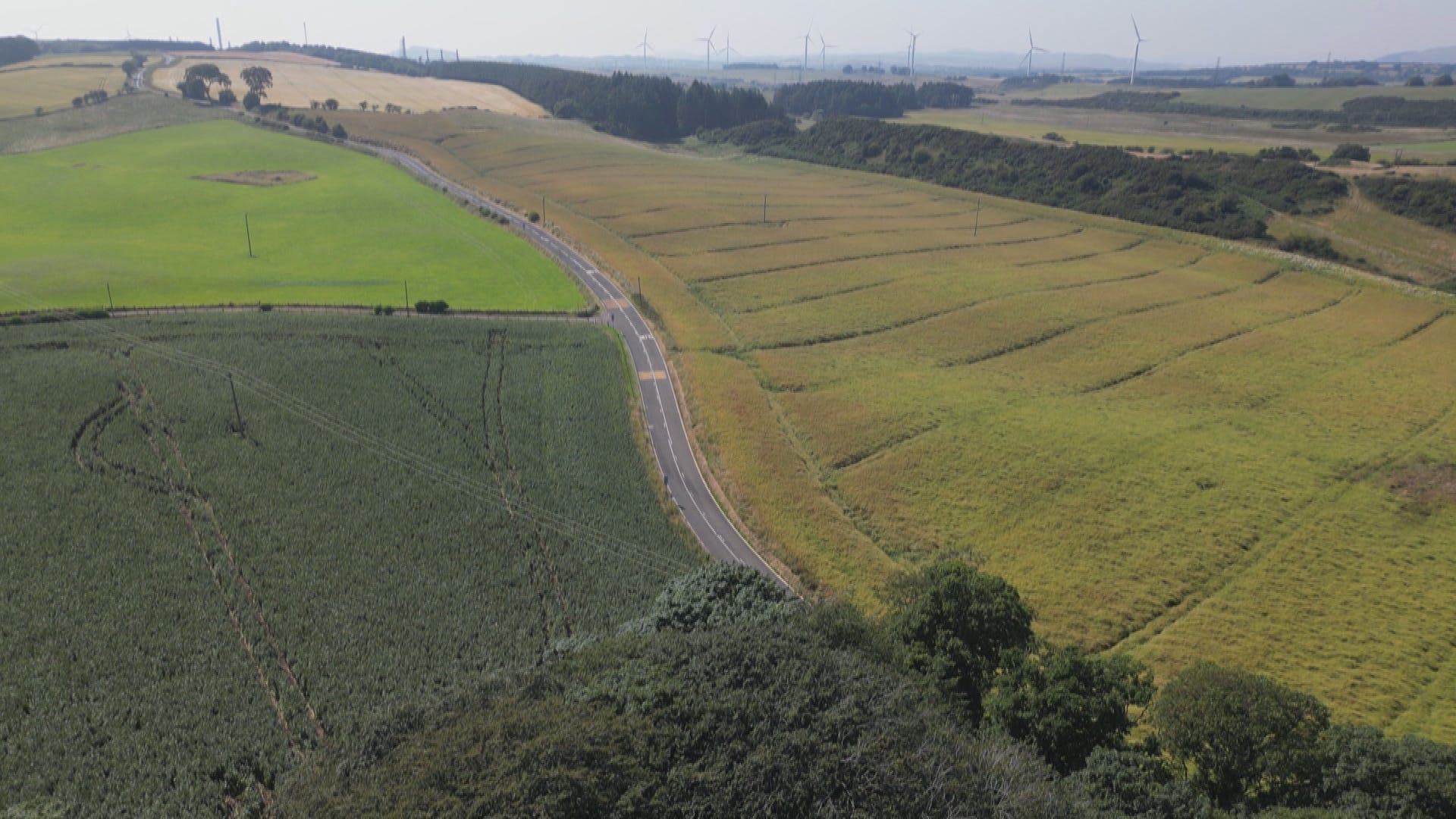
There are already around two dozen hyperscale projects in the pipeline. Developers argue they will be able to bring billions of pounds of investment.
Community concern
But communities who find these projects springing up on their doorsteps wonder what benefits they will truly receive.
Construction jobs cannot be guaranteed for local workers and these centres can employ relatively few people compared with a traditional factory.

One proposal in the town of Larbert has attracted thousands of objections, and Police Scotland has warned about the impact of protests and disruption nearby.
Political response
The political response has intensified in the last few months.
Environmental charities have written to Scotland’s First Minister to call for an immediate moratorium on hyperscale AI data centres until key environmental conditions are met.

This week, the Scottish Government stopped short of agreeing to a pause.
But it has decided to tighten planning restrictions. If a company wants to build a data centre with a power capacity of over 50 MW, it will need to notify ministers.
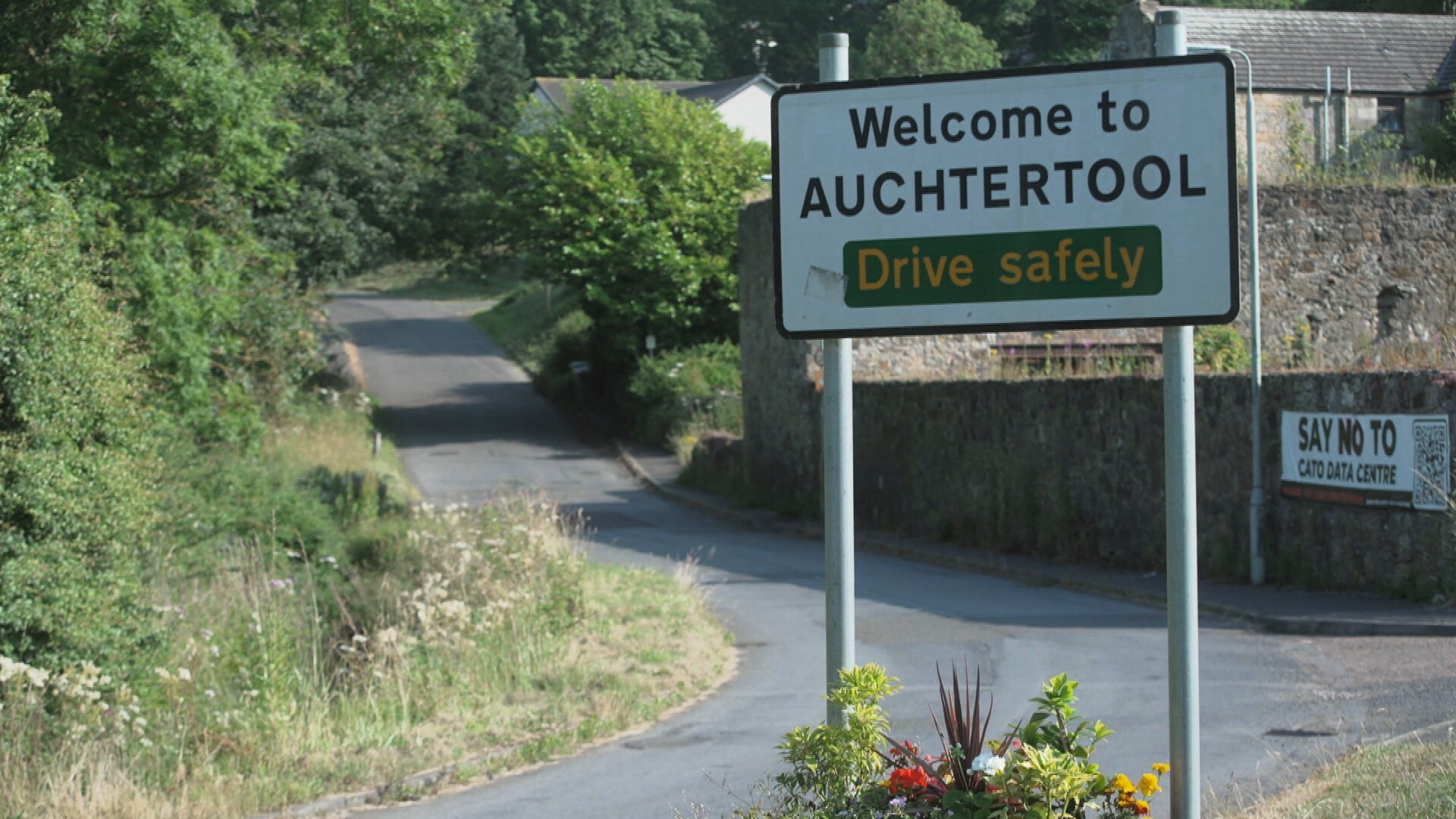
An environmental impact assessment has been requested for a controversial 600MW development near the village of Auchtertool in Fife, which is likely to delay it.
But there is still no requirement to have an environmental impact assessment as standard, something the Scottish Greens would like to change.
Benefiting from the boom
There is a difficult balance to strike for both the UK and Scottish Governments, which both want to benefit from the AI boom.
The clearest expression of that ambition is the North Lanarkshire AI Growth Zone. The project is being developed around Airdrie, one of Scotland’s past industrial heartlands.
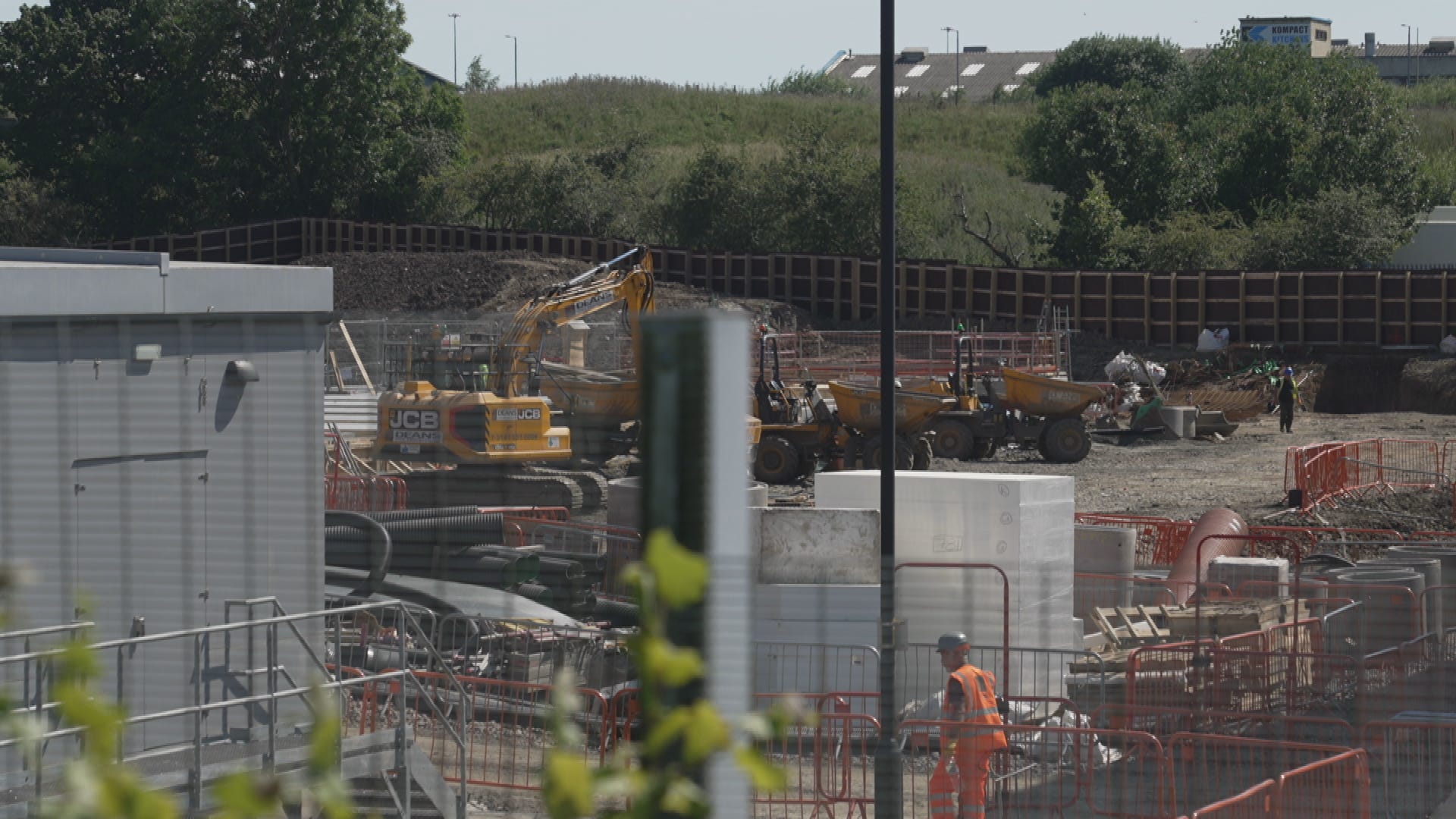
This week, it received a £300m financing package, including a £202m guarantee from the UK’s National Wealth Fund.
There is a difference, of course, between a speculative hyperscale campus that consumes enormous amounts of power and a strategically located cluster to support Scottish businesses.
But this growth zone has also faced opposition - not least from neighbours concerned about noisy construction work.

The AI industry can make powerful arguments about opportunity and investment.
But if communities are expected to host enormous power consumers, they are going to need to see some tangible benefits.

I find it more than a bit bonkers that at the same time the UK Government is publishing documents stating we will have a 5bn litre / day shortfall in available water, we are building houses of cards propped up by the Treasury which have done away with the 5% risk retention rule and are liable to suffer imminent cascade failure before they even need to consume our non-existent water resources. How is it that data - centres will be provided with clean water when 97% of UK rivers are hideously polluted and we cannot even provide it to our population and the creatures we share this land with ? We are killing ourselves and all around us softly in persuit of a mirage, in what will soon be a desert.
All evidence seems to support the opinion that the whole infrastructure of the UK is under enormous pressure for the failure of successive governments. On top of that it is clear that data centres put a massive strain on almost all local facilities. Yet the apparent benefits of these enormous technical behemoth cannot yet be clarified.