

Failures that enabled serial killer in the making to harm again
As Simon Levy is found guilty of murdering two vulnerable women and raping another, Frances Read looks at how a man who was known to police as a prolific sex offender was able to carry out his crimes.

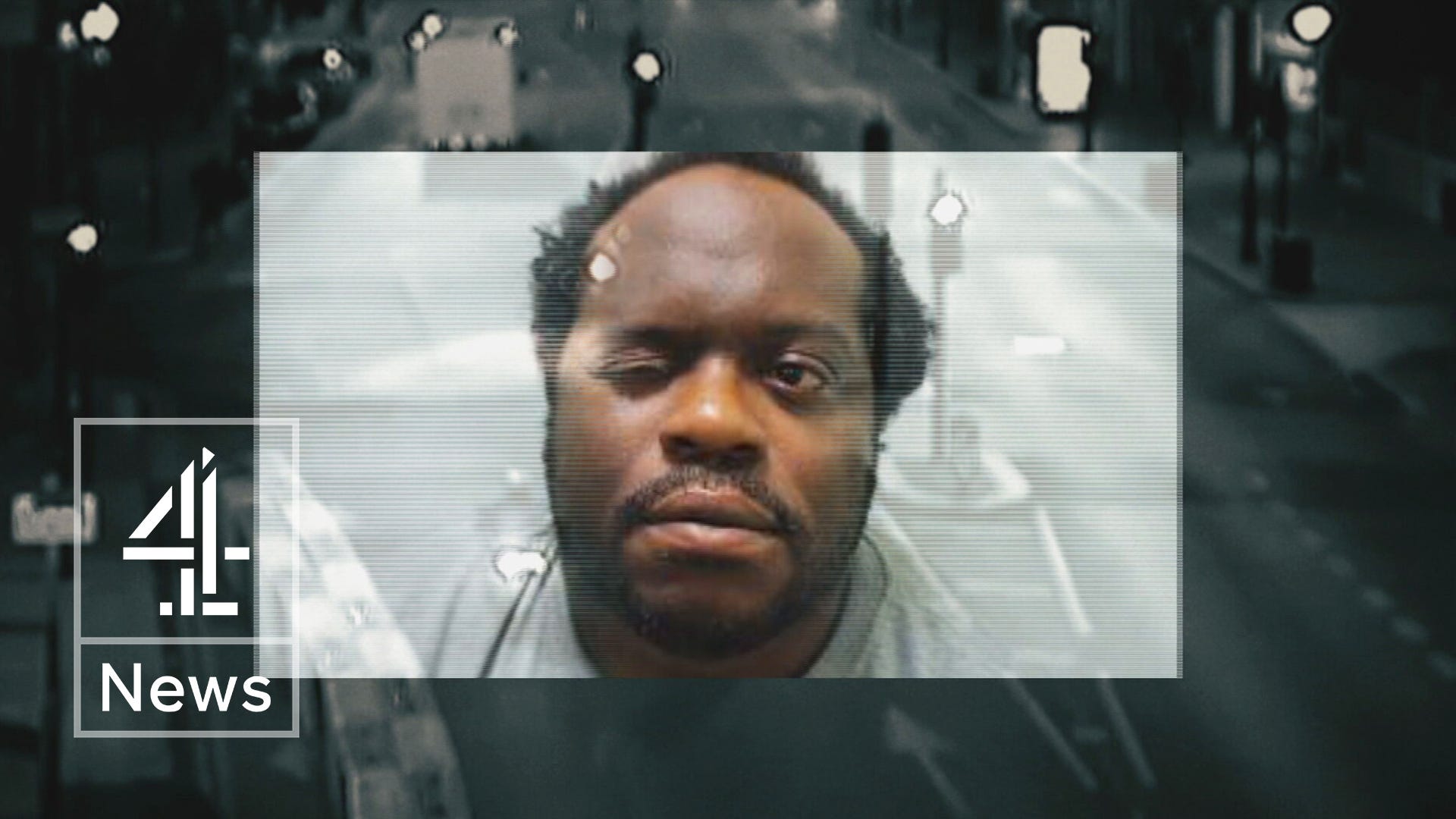
Additional reporting by Bethel Tesfaye.
Simon Levy killed, and then he was allowed to kill again.
Yet he was known to police as a prolific sex offender, and a danger to all women.
It is the main question arising from this case, which has been heard at the Old Bailey in London over a number of weeks: how Simon Levy, 40, was able to walk the streets, committing crimes which became even more grave in nature, when he was known to authorities.
Unconnected dots
This is a story of, almost complete, system failure. How the entire justice system failed to stop a killer and a rapist on numerous occasions.
But first, let’s go back.
Levy had convictions for sexual assaults on women in a variety of settings - at parties, on public transport, even towards prison staff.
He’d already been convicted of two counts in 2021 which he’d committed in 2018. He went to jail but was out again by 2023, only to be recalled to prison in May 2024 after an allegation of rape was made against him.
His licence period was up by August 2024, and due to a lack of evidence, he was free and his offending continued.
In February 2026, he was sentenced to six years for 11 sexual assaults between 2022-25, including on the transport network. But while being investigated for some of these, the British Transport police say delays in its investigation into his offending meant Levy’s bail was extended. The kicker: that meant he was free to commit murder.
And yet, there’s another kicker to come: it turns out the courts bailed him in June 2025 during initial hearings, the Crown Prosecution Service admitting that not all relevant information was provided to remand Levy into custody. Being out on the streets meant he was free to kill, for a second time.
‘Extremely vulnerable’
The women he murdered, pictured below, were extremely vulnerable. He targeted sex workers, or women who were paid in money or drugs for sexual encounters.
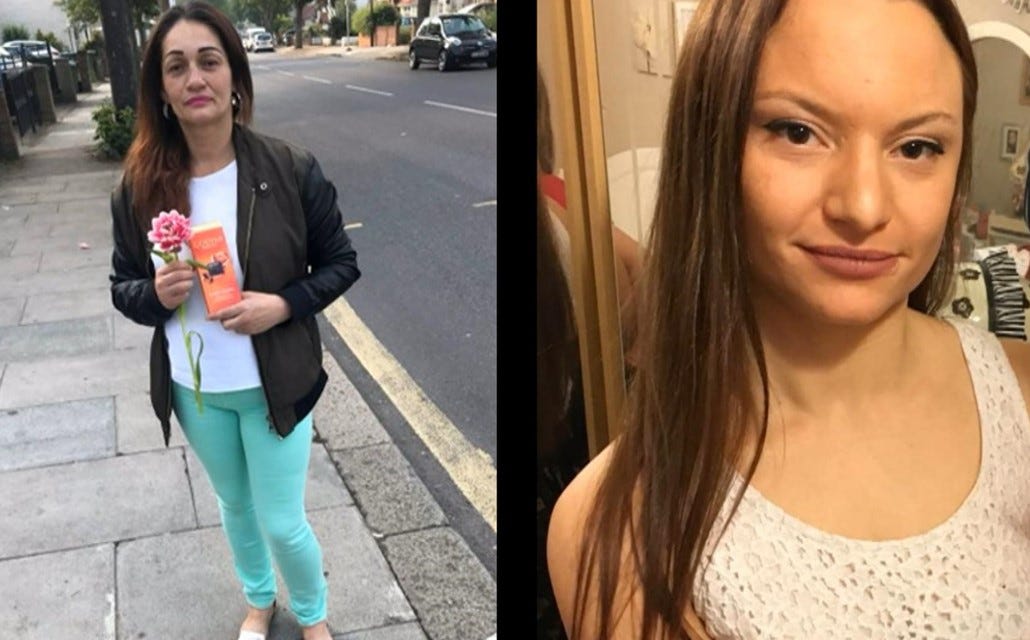
And he’d tried before.
In January 2025 he attacked, raped and attempted to suffocate a woman, in Tottenham, who can’t be named for legal reasons. She survived and gave police a heartbreaking account of what he did. Yet a formal statement wasn’t taken by police for months. This too left him free to kill, and he did.
Carmenza Valencia-Trujillo, pictured below, was last seen in March 2025, walking around the Aylesbury Estate in Southwark, South London where she lived. She was found dead, face down, in a stairwell. CCTV footage showed Levy had been in the area the same day.

He was arrested by police on suspicion of her murder, in his bedroom. But because a postmortem was inconclusive and police didn’t have enough evidence, they released Levy under investigation.
It was around this time he was also granted bail for the 11 sexual offences, mentioned earlier, despite what we now know was the serious nature of his escalating crimes.
In having his freedom, he could go on to kill another vulnerable victim.
In August 2025, Sheryl Wilkins, pictured on CCTV below, had agreed to meet him closer to his home in north London, and they were seen near the Spurs stadium and later together on Tottenham High Road.
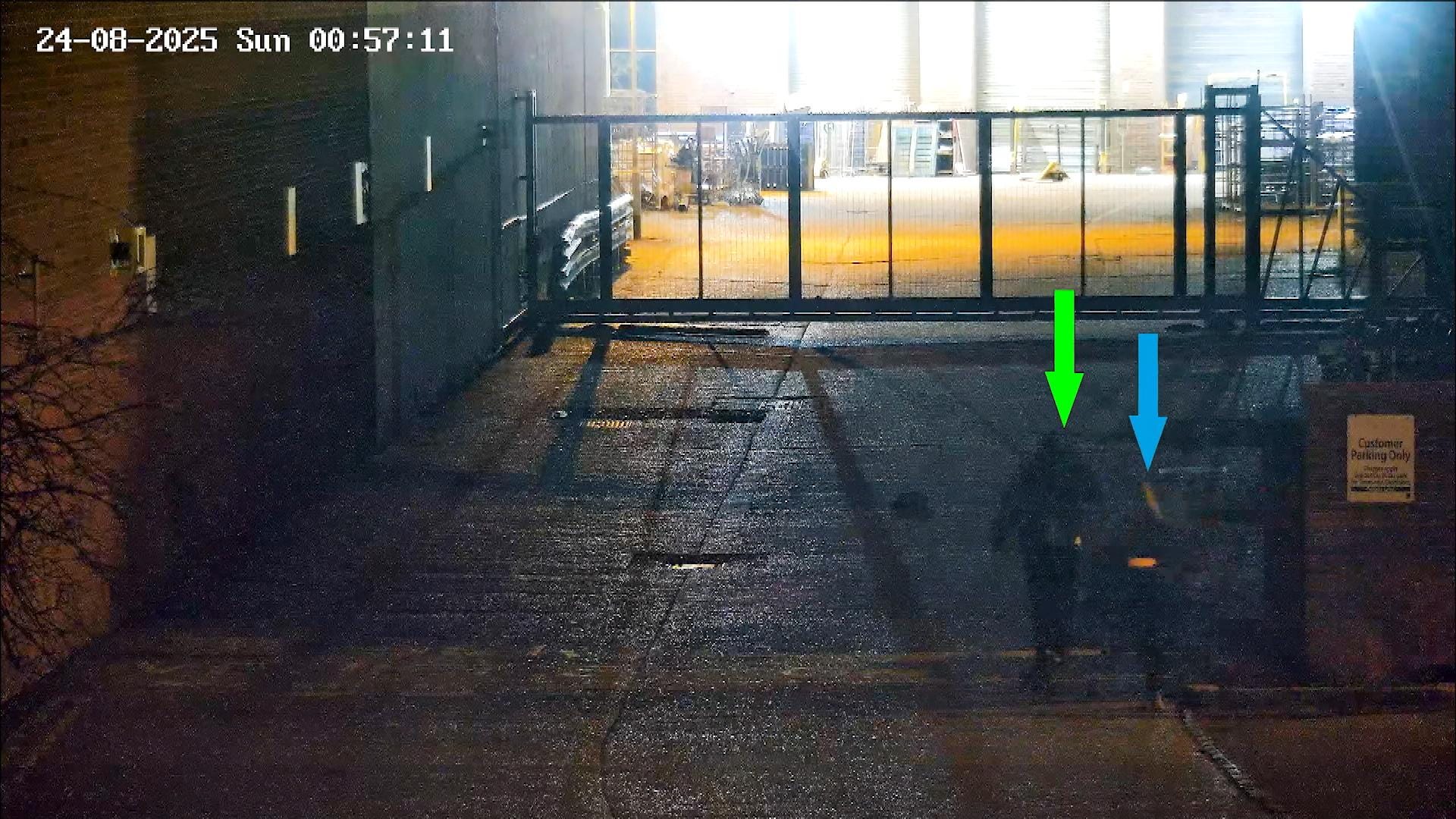
She followed him into a shop carpark, unbeknown to her, the same in which he’d raped and strangled a woman just months before. Around 50 minutes later, CCTV showed him leaving. But Sheryl was never seen alive again. Her body was found hours later.
Police recovered the jacket he’d been wearing that night with Sheryl’s DNA on it, and his DNA was found on both of the murdered women.
The jury found him guilty of murdering both women and for the rape, GBH with intent, and intentionally suffocation of a third.
Problems in the justice system
The question then is why his dangerous crimes were able to escalate. Particularly against a backdrop of there being a national strategy to reduce violence against women and girls.
Prosecutor Will Martin said his desire to sexually assault women was “on the verge of compulsive or pathological” and authorities are now being asked to look at why the dots weren’t connected, and whether opportunities to stop him were missed.
The Metropolitan Police has already voluntarily referred itself to the Independent Office of Police Conduct, which has confirmed it is investigating failures by two officers, and delays to taking a statement and over a previous sexual assault charge.
Deputy Assistant Commissioner Kevin Southworth said, “We’ve done so on the basis that we need to understand what could have been done better, if at all, to offender manage Simon Levy in such a way as we could have protected the public from the harm that he posed.”
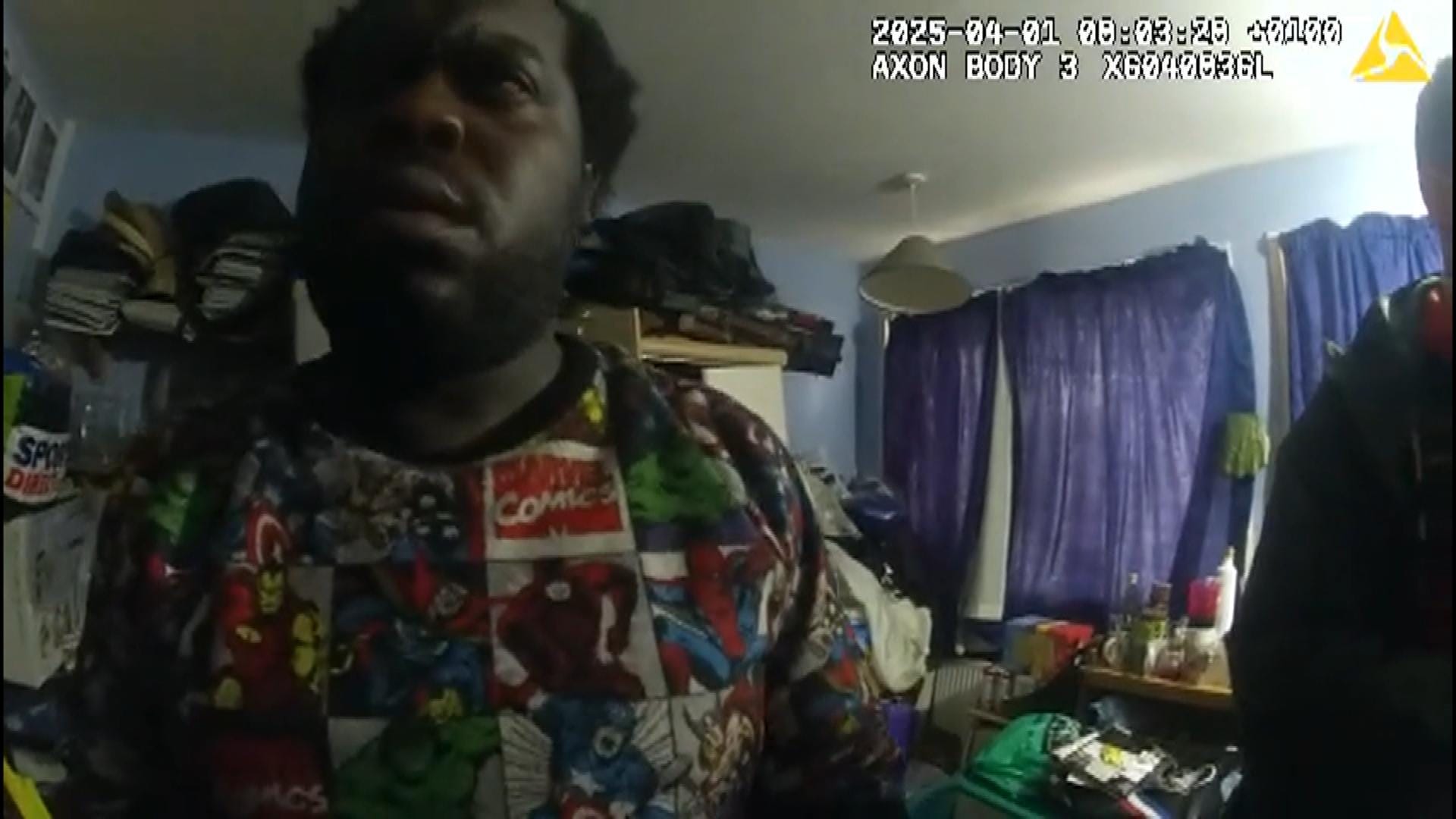
The Crown Prosecution Service also apologised over relevant information not being provided to the courts in 2025 for a bail decision.
Lisa Ramsarran, Chief Crown Prosecutor for the CPS, said: “We cannot know what decisions the courts would have made had different or stronger representations been advanced. But we recognise our responsibility and we are sorry for the shortcomings we have identified. We are taking action to strengthen training, case oversight and our approach to bail and risk in serious sexual offence cases.”
British Transport Police has also admitted opportunities were missed and it has amended its procedures as a result.
Stigma a societal problem
Simon Levy will likely face the rest of his life behind bars. He was intent on harming or killing women, and he was indiscriminate in who he targeted. The women who were raped or killed were among the most vulnerable in society.
Advance is a women’s organisation providing support to women across London and the south and east of England, including in the criminal justice system.
The charity’s Director of Criminal Justice, Dali Kaur, said: “Those involved in sex work face multiple barriers including criminalisation and especially social stigma. But this case showed that no matter what profession, violence against women and girls is taking part. It’s a society-wide issue, and needs a society-wide solution, but it’s also something that society doesn’t want to talk about.”
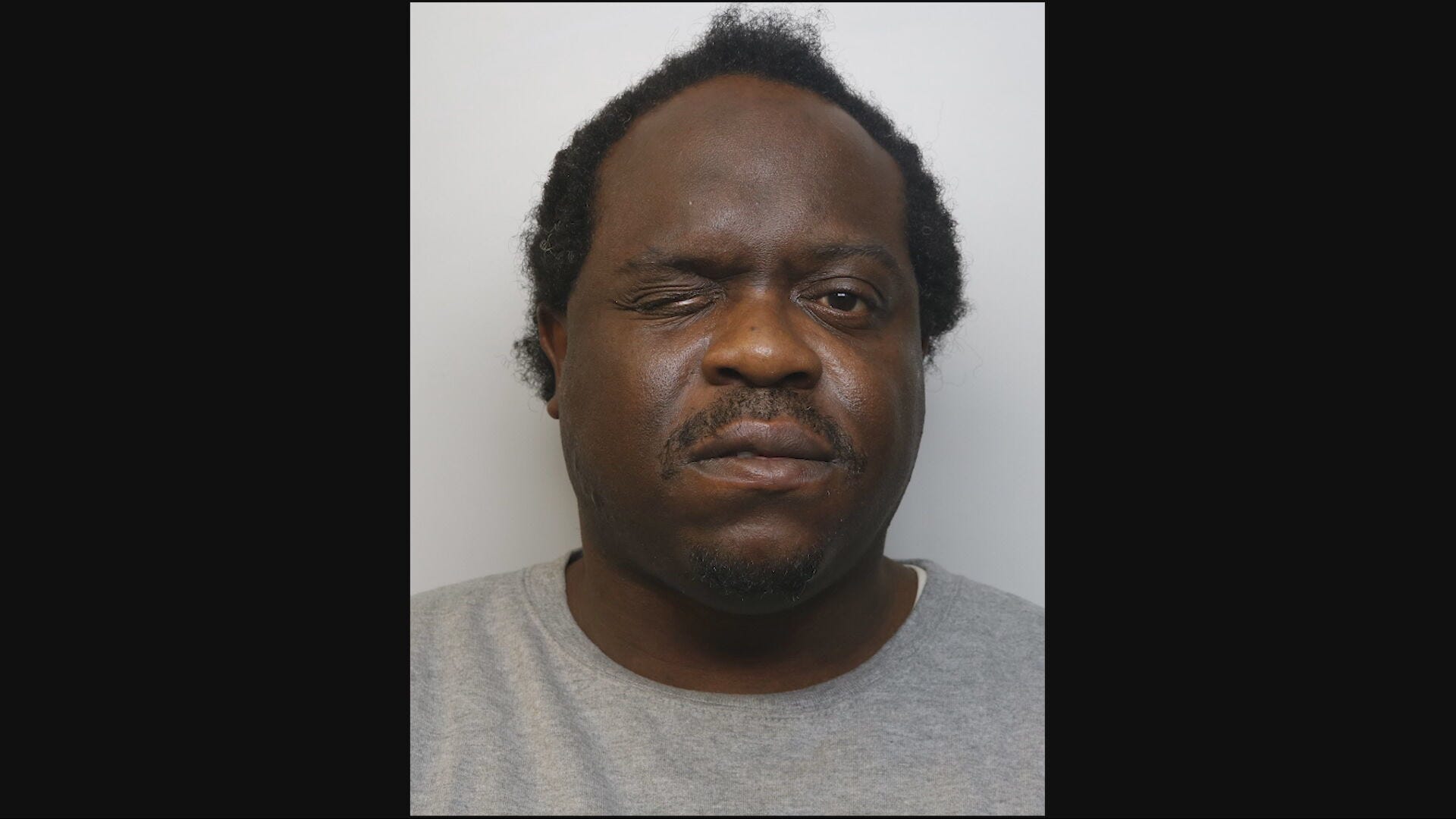
In a statement, Metropolitan Police Detective Chief Inspector Neil John said: “While we cannot undo the actions of Simon Levy, I hope today’s conviction provides a sense of justice and closure for those affected.
“Simon Levy is a dangerous and predatory offender. His crimes were calculated, cruel and deeply disturbing.
“Throughout the trial, he has shown complete disregard for the victims and victim-survivor, despite being fully aware of the lasting and devastating impact of his actions.”
He could have been a potential serial killer in the making, had he not been stopped, but many will now question why he wasn’t stopped even earlier.
 | A guest post by
|
I’m coming around to the view that, in an age of DNA evidence and forensic science, offenders found unequivocally guilty of brutally raping and murdering women should face the ultimate punishment. When the justice system repeatedly fails victims and their families by releasing dangerous offenders back into society, it’s hard not to question whether the death penalty should be reconsidered for the most heinous crimes.
Political Correctness and Wokery comes to mind!